
Product Description
Product Description
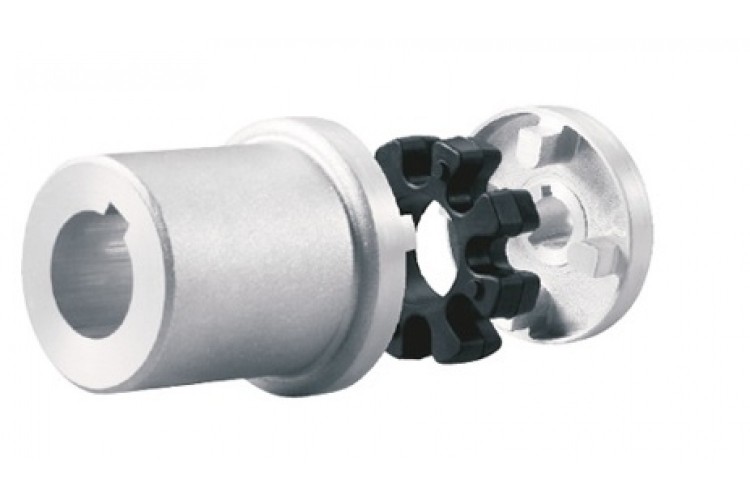
GS Spider Coupling for Machine Center Motor XYZ (Red)
The elastomer insert is equalizing element of coupling. It transmits torque without backlash or vibration. The elastomer insert defines the characteristics of the entire drive system. Backlash is eliminated by the press fit of the elastomer into the hubs. Through variation of the shore hardness of the elastomer insert, the coupling system can be optimized for the ideal torsional characteristics.
GS spider insert for jaw coupling, PU spacer, instead of KTR CHINAMFG elastomer. This GS spider are used for mechanical jaw coupling, as a joint in the transmission shaft. Running quality and service life of the coupling are improved by special pu..
GS Spider Coupling for Machine Center Motor XYZ (Red)
Torsion: 22.4~2500NM
Wear And Tear: <0.05cm3 / 1.61km
Material: Thermally Stable TPU
Hardness: Yellow SHA 92, Blue SHA95, Red SHA98
Temperature: -40~100°C
Standard: KTR, Germany
| Part No. | D (mm) | d (mm) | H (mm) | No. Of Teeth |
| GS-5 | 10 | — | 6 | 4 |
| GS-7 | 14 | — | 8 | 4 |
| GS-9 | 20 | 7 | 10 | 4 |
| GS-12 | 25 | 8 | 12 | 4 |
| GS-14 | 30 | 10 | 12 | 4 |
| GS-19 | 40 | 18 | 14.5 | 6 |
| GS-24 | 54 | 26 | 15.2 | 8 |
| GS-28 | 65 | 30 | 19 | 8 |
| GS-38 | 80 | 38 | 22 | 8 |
| GS-42 | 95 | 46 | 24 | 8 |
| GS-48 | 104 | 51 | 25.5 | 8 |
| GS-55 | 120 | 60 | 27 | 8 |
| GS-65 | 135 | 68 | 32 | 8 |
| GS-75 | 160 | 80 | 37 | 10 |
GS Spider Coupling for Machine Center Motor XYZ (Red)
PRODUCT ADVANTAGES
With special secret formula, our coupling spiders can be stably operated for 2~5 years under different working conditions, which is very closed to the KTR’s service life.
More Products:
Various types of couplings rubber elastomer models are as follows:
MT rubber coupling (MT1-MT13),
GR rubber coupling (GR10-GR180),
GS rubber coupling (GS7-GS90),
T Hexagon back wheel coupling (hexagonal elasticity pad T70 ~ 210).,
the fluid coupling (YOX),
L-type claw coupling hexagonal coupling (L35-L276),
H-type elastic block (H80-H350),
NM couplings elastomer (NM50 -NM214).
HRC Coupling elastomer (HRC60-HRC280).
Gear Sleeve Rubber Coupling Elastomer cushion (gear 4J-10J).
NL inner tooth gear coupling sleeve (NL1-NL10).
Oldham and non-standard high strength Spider rubber coupling.
Main Products:
custom couplings Plum pad, HRC couplings, Martin couplings, HRC couplings supply elastomer, HRC couplings elastic block, Gear Sleeve Rubber Coupling Elastomer, block rubber supply couplings, coupling rubber parts, coupling is rubber body, ZheJiang custom rubber gear coupling, screw compressor couplings, rubber supply gear couplings, Atlas coupling, screw compressor coupling, ZheJiang wholesale production of polyurethane gear, supply H-linking couplings, H-shaped elastic block coupling, H-type coupling rubber elastomer blocks
Please inquire us if you need Rubber Coupling Elastomer and other types couplings inserts.
| Different Types Of Hydraulic Seals | ||
| Application | Type | Material |
| Rod Seals | UN | TPU(PU,Polyurethane) |
| UNS | TPU(PU,Polyurethane) | |
| UHS | TPU(PU,Polyurethane) | |
| IDU | TPU(PU,Polyurethane) | |
| U+S | PU+NBR | |
| UPH | NBR & FKM | |
| Step Seal | NBR+PTFE | |
| VES | Rubber+Fabric | |
| IDI | PU | |
| ISI | PU | |
| Piston Seals | SPG | NBR+PTFE |
| SPGW | NBR+PTFE | |
| SPGO | NBR+PTFE | |
| KDAS | NBR+PU+POM | |
| ODI | PU | |
| OSI | PU | |
| ODU | PU | |
| Dust Wiper Seals | DH/DHS | PU |
| LBH | NBR & FKM | |
| J/JA | PU | |
| DKB | NBR & FKM +Metal | |
| DKBI | PU+Metal | |
| DSI | PU | |
| Wear Ring | WR | Phenolic Fabric |
| Xihu (West Lake) Dis. Tape | PTFE | |
| Xihu (West Lake) Dis. Tape | Phenolic Fabric | |
| Buffer Seal | HBY | PU+Nylon |
| Back-up Ring | O-Ring | NBR & FKM |
| X-Ring | NBR & FKM | |
| PTFE Washer | PTFE | |
GS Spider Coupling for Machine Center Motor XYZ (Red)
| Different Type Rotary Shaft Oil Seal | ||||
| Type | Material | Lip | Spring | Feature |
| TC | NBR & FKM | Double Lips | Single | Metal Coverd Rubber |
| TB | NBR | Double Lips | Single | Metal Case |
| TA | NBR | Double Lips | Single | Metal Case |
| SC | NBR & FKM | Single | Single | Double Metal Shell |
| SB | NBR | Single | Single | Metal Case |
| SA | NBR | Single | Single | Double Metal Shell |
| DC | NBR | Double Lips | Double | Double Springs |
| VC | NBR & FKM | Single | Without | Metal Coverd Rubber |
| VB | NBR | Single | Without | Metal Case |
| TCV | NBR | Double Lips | Single | High Pressure |
| TCN | NBR | Double Lips | Single | High Pressure |
| PTFE | PTFE | Single & Double Lips | Without | Stainless steel |
| HTCL | NBR & FKM | Double Lips | Single | Inside thread L |
| HTCR | NBR & FKM | Double Lips | Single | Inside thread R |
| …………………………………………………………………………………………… More types please contact us. Customization is welcome. |
||||
Related Products
GS Spider Coupling for Machine Center Motor XYZ (Red)
Oil seals serve to prevent the leakage not only of lubricants, but also water, chemicals, and gas from “gaps” in machinery. Oil seals also serve to prevent the intrusion of dust, soil and sand from the outside air.
Company Profile
HangZhou CHINAMFG Sealing Sci-Tech Co., Ltd. is a scientific and technological production enterprise integrating R&D, production and sales. Our production plant covers an area of about 2,000 square CHINAMFG and has 150 employees.
QMS (Quality Management System):
ISO9001, ISO/TS16949
Our Products:
O Ring, Oil Seal, Hydraulic & Pneumatic Seal, Custom CHINAMFG Parts
Production Standard:
ASTMD2000
Product Application Scope:
Engineering machinery, hydraulic pneumatic, petroleum and natural gas, automobile seals, valves and pipelines, electronic home appliances, food grade, electric power, chemical industry, coal mine, metallurgy, engineering shield machine and other industries, supporting domestic automobile and machinery manufacturers.
We had sell to:
More than 40 countries including the United States, Germany, Japan, Britain, Italy, Spain, Russia, Canada, Australia, Malaysia, Philippines, Indonesia, Mexico, Brazil, Peru, Chile, Argentina, Israel, Saudi Arabia, Lebanon, Ukraine, Pakistan, Thailand, Vietnam, etc.
Packaging & Shipping
GS Spider Coupling for Machine Center Motor XYZ (Red)
Ship by express, by air, by sea at buyer’s option.
rubber oil seal tc oil seal rubber seal manufacturer oil seal tc nbr oil seal tc oil seal fkm oil seal china manufacturer oil seal tc oil seal nbr tc oil seal fkm tc oil seal manufacturer
FAQ
Q 1. What’s the payment term?
A: We accept T/T 50% deposit and 50% balance against copy of B/L or L/C at sight, West Union,VISA,Paypal is also accepted. rubber oil seal tc oil seal rubber seal manufacturer oil seal tc nbr oil seal tc oil seal fkm oil seal china manufacturer oil seal tc oil seal nbr tc oil seal fkm tc oil seal manufacturer
Q 2. What is the normal lead time for product orders?
A: Generally it is 1-2 days if the goods are in stock. or it is 5-10 days if the goods are not in stock, it is according to quantity.tc oil seal tc oil seal nbr tc oil seal nbr rubber oil seal fkm oil seal fkm rubber oil seal manufacture china oil seal
tc oil seal tc oil seal nbr tc oil seal nbr rubber oil seal fkm oil seal fkm rubber oil seal manufacture china oil seal manufacture
Q 3. What is your standard packing?
A: All the goods will be packed by carton box and loaded with pallets. Special packing method can be accepted when needed.rubber oil seal tc oil seal rubber seal manufacturer oil seal tc nbr oil seal tc oil seal fkm oil seal china manufacturer oil seal tc oil seal nbr tc oil seal fkm tc oil seal manufacturer
Q 4. Could you please tell us the month capacity of your products ?
A: It depends on which model, we produce more than 2500 tons rubber materials per month.
tc oil seal tc oil seal nbr tc oil seal nbr rubber oil seal fkm oil seal fkm rubber oil seal manufacture china oil seal manufacture
Q 5. what kind of certificates you have ?
A1: We have been ISO9001:2008 and ISO14001:2004 certified by SGS since 2015.
A2: We have various rubber compounds approved by ROHS and REACH.
tc oil seal tc oil seal nbr tc oil seal nbr rubber oil seal fkm oil seal fkm rubber oil seal manufacture china oil seal manufacture
Q6: How to check the quality of the bulk order?
A1: We provide preproduction samples before mass production for all customers if needed.
A2: We accept third party inspection such as TUV, INTERTEK, BV, etc.
tc oil seal tc oil seal nbr tc oil seal nbr rubber oil seal fkm oil seal fkm rubber oil seal manufacture china oil seal manufacture
Q 7: Do you use any international standards for the rubber products?
A: Yes, we mainly use ASTM D2000 standard to define the quality of the rubber materials, tolerances as per ISO3302, ISO2768, etc.rubber oil seal tc oil seal rubber seal manufacturer oil seal tc nbr oil seal tc oil seal fkm oil seal china manufacturer oil seal tc oil seal nbr tc oil seal fkm tc oil seal manufacturer
Q8: What materials are available to produce from your side?
A: NBR, EPDM, SILICONE, FPM(FKM), NEOPRENE(CR), NR, IIR, SBR, ACM, AEM, Fluorosilicone(FVMQ), FFKM, Liquid Silicone, Sponge, etc. tc oi
l seal tc oil seal nbr tc oil seal nbr rubber oil seal fkm oil seal fkm rubber oil seal manufacture china oil seal manufacture
Q9: Do you provide maintenance on tooling?
A: We maintain all tooling and will replace as needed.tc oil seal tc oil seal nbr tc oil seal nbr rubber oil seal fkm oil seal fkm rubber oil seal manufacture china oil seal manufacture
Q10: How many empolyees you have?
A:We have 150 empolyees at time of December 2571. tc oil seal tc oil seal nbr tc oil seal nbr rubber oil seal fkm oil seal fkm rubber oil seal manufacture china oil seal manufacture
If you have any other question, please don’t hesitate to contact us:
GS Spider Coupling for Machine Center Motor XYZ (Red) /* March 10, 2571 17:59:20 */!function(){function s(e,r){var a,o={};try{e&&e.split(“,”).forEach(function(e,t){e&&(a=e.match(/(.*?):(.*)$/))&&1
How to Select the Right Motor Coupling for Specific Torque and Speed Requirements?
Selecting the right motor coupling for specific torque and speed requirements is crucial to ensure optimal performance and reliability in a power transmission system. Here are the steps to guide you through the selection process:
1. Identify Torque and Speed Requirements:
Determine the torque and speed requirements of your application. Torque is the rotational force needed to perform the intended task, while speed refers to the rotational speed at which the coupling will operate.
2. Consider Operating Conditions:
Take into account the environmental conditions and operating parameters of your application. Factors such as temperature, humidity, and potential shock loads may influence the coupling’s performance.
3. Calculate Torque and Speed Ratios:
Calculate the torque and speed ratios between the motor and driven equipment. This will help you understand the required torque capacity and misalignment capabilities of the coupling.
4. Choose the Coupling Type:
Select a coupling type that aligns with your torque and speed requirements. For higher torque applications, consider gear couplings, while elastomeric couplings are suitable for lower torque applications with misalignment needs.
5. Check Torque and Speed Ratings:
Consult the manufacturer’s specifications to ensure the selected coupling can handle the calculated torque and speed requirements. Pay attention to both the continuous and peak torque ratings.
6. Misalignment Compensation:
If your application requires misalignment compensation, opt for flexible couplings that can accommodate angular and/or parallel misalignment.
7. Consider Critical Speed:
For high-speed applications, check the coupling’s critical speed rating. Operating near or beyond the critical speed can lead to resonance and coupling failure.
8. Verify Service Life:
Check the expected service life of the coupling under your application’s conditions. A coupling with a longer service life can reduce maintenance needs and downtime.
9. Budget and Cost:
Consider the budget and overall cost of the coupling, including installation and maintenance expenses. Balance the initial cost with the coupling’s expected performance and durability.
10. Seek Expert Advice:
If you are unsure about the best coupling choice for your specific requirements, consult with coupling manufacturers or industry experts who can provide valuable insights and recommendations.
By following these steps and conducting thorough research, you can confidently select the right motor coupling that matches your torque and speed requirements, ensuring efficient power transmission and prolonged equipment lifespan.
“`
Explaining the Concept of Backlash and Its Impact on Motor Coupling Performance
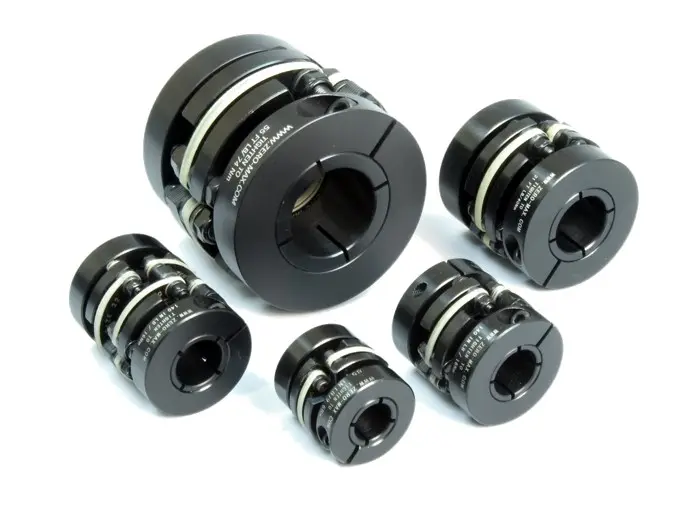
Backlash is a critical factor in motor coupling performance and refers to the clearance or play between mating components within the coupling. In the context of motor couplings, it specifically relates to the amount of free movement or angular displacement that occurs when there is a change in direction of the driven shaft without a corresponding immediate change in the driving shaft.
Backlash in motor couplings can occur due to several factors:
- Manufacturing Tolerances: Variations in the manufacturing process can lead to slight clearances between coupling components, introducing backlash.
- Wear and Tear: Over time, the coupling components may experience wear, leading to increased clearance and backlash.
- Misalignment: Improper alignment between the motor and driven equipment shafts can cause additional play in the coupling, resulting in increased backlash.
The impact of backlash on motor coupling performance includes the following:
1. Reduced Accuracy:
Backlash can lead to inaccuracies in motion transmission. When the direction of rotation changes, the free play in the coupling must be taken up before torque can be effectively transmitted. This delay in motion transfer can cause positioning errors and reduced accuracy in applications requiring precise movements.
2. Vibration and Noise:
Excessive backlash can cause vibration and noise during operation. The sudden engagement of the coupling components after a change in direction can create shocks and vibrations that may affect the overall system performance and lead to premature wear of coupling components.
3. Reduced Efficiency:
Backlash results in power loss, especially in applications with frequent changes in direction. The energy required to take up the clearance in the coupling reduces the overall efficiency of power transmission.
4. Wear and Fatigue:
Repeated impacts due to backlash can accelerate wear and fatigue of coupling components, leading to a shorter lifespan and potential coupling failure.
5. Safety Concerns:
In certain applications, particularly those involving heavy machinery or high-speed operations, excessive backlash can pose safety risks. The lack of immediate response to directional changes can affect the control and stability of the equipment.
To mitigate the effects of backlash, it is essential to select motor couplings with low or controlled backlash and to maintain proper alignment during installation. Regular inspection and maintenance can help identify and address any increasing backlash, ensuring the motor coupling operates with optimum performance and reliability.
“`
Can a Damaged Motor Coupling Lead to Motor or Equipment Failure?
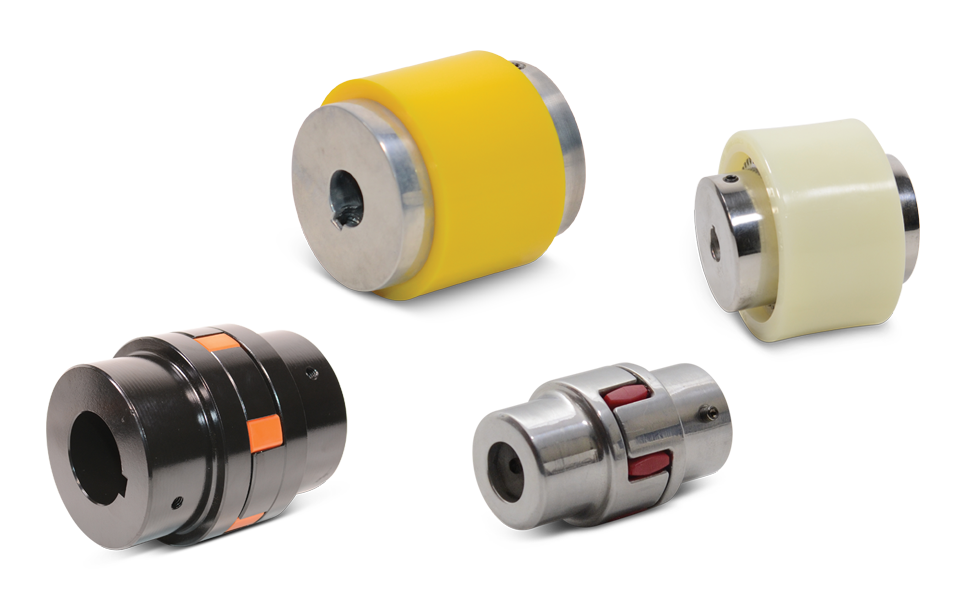
Yes, a damaged motor coupling can lead to motor or equipment failure if not addressed promptly. Motor couplings play a critical role in connecting the motor to the driven equipment and transmitting torque between them. When a coupling is damaged, several potential issues can arise:
- Reduced Torque Transmission: Cracks, wear, or deformation in the coupling can result in reduced torque transmission from the motor to the driven equipment. This may lead to inefficient operation and underperformance of the machinery.
- Mechanical Vibrations: Damaged couplings can introduce vibrations into the system, leading to increased wear and fatigue on connected components, such as bearings and shafts. Excessive vibrations can cause premature failure of these parts.
- Misalignment and Stress: If the coupling loses its ability to compensate for misalignment, it can subject the motor and driven equipment to increased stress and loading. This can result in premature wear and failure of bearings, shafts, and other components.
- Overload on the Motor: In certain coupling designs, damage may result in a loss of overload protection. Without the safety mechanism, the motor may experience excessive loads, leading to overheating and possible motor failure.
- Increased Downtime: A damaged coupling can cause unexpected breakdowns and unplanned downtime for repairs, affecting productivity and overall operational efficiency.
- Safety Risks: In extreme cases, a severely damaged coupling may disintegrate during operation, posing safety risks to personnel and surrounding equipment.
To avoid motor or equipment failure due to a damaged coupling, regular maintenance and inspection are crucial. Visual inspections, vibration analysis, and monitoring of coupling performance can help identify signs of damage early on. If any issues are detected, it is essential to replace or repair the damaged coupling promptly to prevent further damage and ensure the reliable operation of the machinery.
Proper selection of high-quality couplings, appropriate for the specific application and operating conditions, can also reduce the likelihood of coupling failure and its potential impact on the motor and equipment.
“`

editor by CX 2024-01-25