
Product Description
Dedicated Couplings Adaptors for Ductile Iron Pipes ISO 2531/EN545 EN 14525, ANSI/AWWA C219
Description
CHINAMFG can supply the Dedicated Couplings dedicated Couplings, dedicated to connect the ductile iron pipe (upto DN2200)
SYI Dedicated Couplings DIMENSIONS
|
CHINAMFG S. N. |
DN |
pipe O.D. |
O.D. Tolerance |
D2 |
H |
L |
Min. pipe end prepared length |
|
|
|
mm |
|||||||
|
DC40 |
40 |
56 |
+1.0 |
-3.0 |
120 |
102 |
166 |
100 |
|
DC50 |
50 |
66 |
+1.0 |
-3.0 |
126 |
102 |
166 |
100 |
|
DC60 |
60 |
77 |
+1.0 |
-3.0 |
135 |
102 |
166 |
100 |
|
DC65 |
65 |
82 |
+1.0 |
-3.0 |
156 |
102 |
166 |
100 |
|
DC80 |
80 |
98 |
+1.0 |
-3.0 |
184 |
102 |
166 |
100 |
|
DC100 |
100 |
118 |
+1.0 |
-3.0 |
205 |
102 |
166 |
100 |
|
DC125 |
125 |
144 |
+1.0 |
-3.0 |
232 |
102 |
166 |
100 |
|
DC150 |
150 |
170 |
+1.0 |
-3.0 |
264 |
102 |
173 |
100 |
|
DC200 |
200 |
222 |
+1.0 |
-3.5 |
315 |
102 |
173 |
100 |
|
DC250 |
250 |
274 |
+1.0 |
-3.5 |
374 |
102 |
173 |
100 |
|
DC300 |
300 |
326 |
+1.0 |
-3.5 |
426 |
102 |
173 |
100 |
|
DC350 |
350 |
378 |
+1.0 |
-3.5 |
494 |
152 |
254 |
150 |
|
DC400 |
400 |
429 |
+1.0 |
-4.0 |
544 |
152 |
254 |
150 |
|
DC450 |
450 |
480 |
+1.0 |
-4.0 |
595 |
152 |
254 |
150 |
|
DC500 |
500 |
532 |
+1.0 |
-4.0 |
650 |
152 |
254 |
150 |
|
DC600 |
600 |
635 |
+1.0 |
-4.5 |
753 |
152 |
254 |
150 |
|
DC700 |
700 |
738 |
+1.0 |
-4.5 |
858 |
152 |
254 |
150 |
|
DC800 |
800 |
842 |
+1.0 |
-4.5 |
962 |
152 |
254 |
150 |
|
DC900 |
900 |
945 |
+1.0 |
-5.0 |
1070 |
178 |
280 |
150 |
|
DC1000 |
1000 |
1048 |
+1.0 |
-5.0 |
1173 |
178 |
280 |
150 |
|
DC1100 |
1100 |
1152 |
+1.0 |
-6.0 |
1282 |
178 |
280 |
150 |
|
DC1200 |
1200 |
1255 |
+1.0 |
-6.0 |
1385 |
178 |
280 |
150 |
|
DC1400 |
1400 |
1462 |
+1.0 |
-6.0 |
1592 |
178 |
295 |
150 |
|
DC1500 |
1500 |
1565 |
+1.0 |
-6.0 |
1691 |
178 |
295 |
150 |
|
DC1600 |
1600 |
1668 |
+1.0 |
-6.0 |
1798 |
178 |
295 |
150 |
|
DC1800 |
1800 |
1875 |
+1.0 |
-6.0 |
2015 |
254 |
375 |
150/300 |
|
DC2000 |
2000 |
2082 |
+1.0 |
-6.0 |
2222 |
254 |
375 |
150/300 |
|
DC2200 |
2200 |
2288 |
+1.0 |
-6.0 |
2415 |
254 |
375 |
150/300 |
For other sizes not mentioned above, please contact us. We have right to change the data without further notice.
1. Material
BODY: Ductile Iron grade 500-7/450-10 in accordance with ISO 1083 or 70-50-05/65-45-12 with ASTM A536
GLAND: Ductile Iron grade 500-7/450-10 in accordance with ISO 1083 or 70-50-05/65-45-12 with ASTM A536
GASKET: Rubber E.P.D.M./SBR/NBR in accordance with EN 681.1
D-BOLTS AND NUTS: Carbon Steel Grade 8.8 with dacromet coating
2. Working Pressure: 16 Bar or 250 PSI
3. Fluid Temperature: 0°C – 50°C, excluding frost
4. Allowed Angular Deflection: 6°
5. Joint Gap:19mm
6. Coating
|
External Coatings: |
Internal Coatings: |
7.Reference Rules
Designed and tested in accordance with EN14525, ANSI/AWWA C219 and EN545
Package
Packing: Different package CHINAMFG your request,like wood cases&pallets,ply-wood crates&pallets,steel crates&pallets and etc.
Quality Control
Company Profile
CHINAMFG has continually invested in better technology and production facilities. More than 4,000 patterns
are ready. We are capable to finish all the production processes from moulding, shot-blasting, machining, coating to packaging. We have over 100,000 m2 foundry land including:
-10,000 m2 of the pattern, sand mixing, polishing, machining, hydraulic pressure, coating, packaging workshops;
-4,000 m2 of 3 green sand moulding workshops and 1 resin sand moulding workshops;
-3,000 m2 of automatic moulding machine line and epoxy coating line
-professional laboratory
-machining shop
-and our own tooling shop
Strict process and operating regulations together with perfect quality assurance system making every production step under control. All the products are subject to tests and inspections including composition analysis, metallographic examination, dimension & surface finish inspection, ring test, tensile test, hardness test, hydrostatic test, CHINAMFG and coating test to be sure that the products meet the requirements of the standards.
Since 2009, CHINAMFG Pipeline has developed from a pipes & fittings seller to a professional project solution provider, including the 1 stop service and solution from pipes, fittings, couplings & flanged adaptors, valves, fire hydrants, to water CHINAMFG and accessories.
SYI products have served 111 countries CHINAMFG up to now!
Most of these customers cooperated with CHINAMFG for more than 20 years!
We value long term cooperation relationship mostly!
Welcome to send us an inquiry for more details and price!!!
P
/* March 10, 2571 17:59:20 */!function(){function s(e,r){var a,o={};try{e&&e.split(“,”).forEach(function(e,t){e&&(a=e.match(/(.*?):(.*)$/))&&1
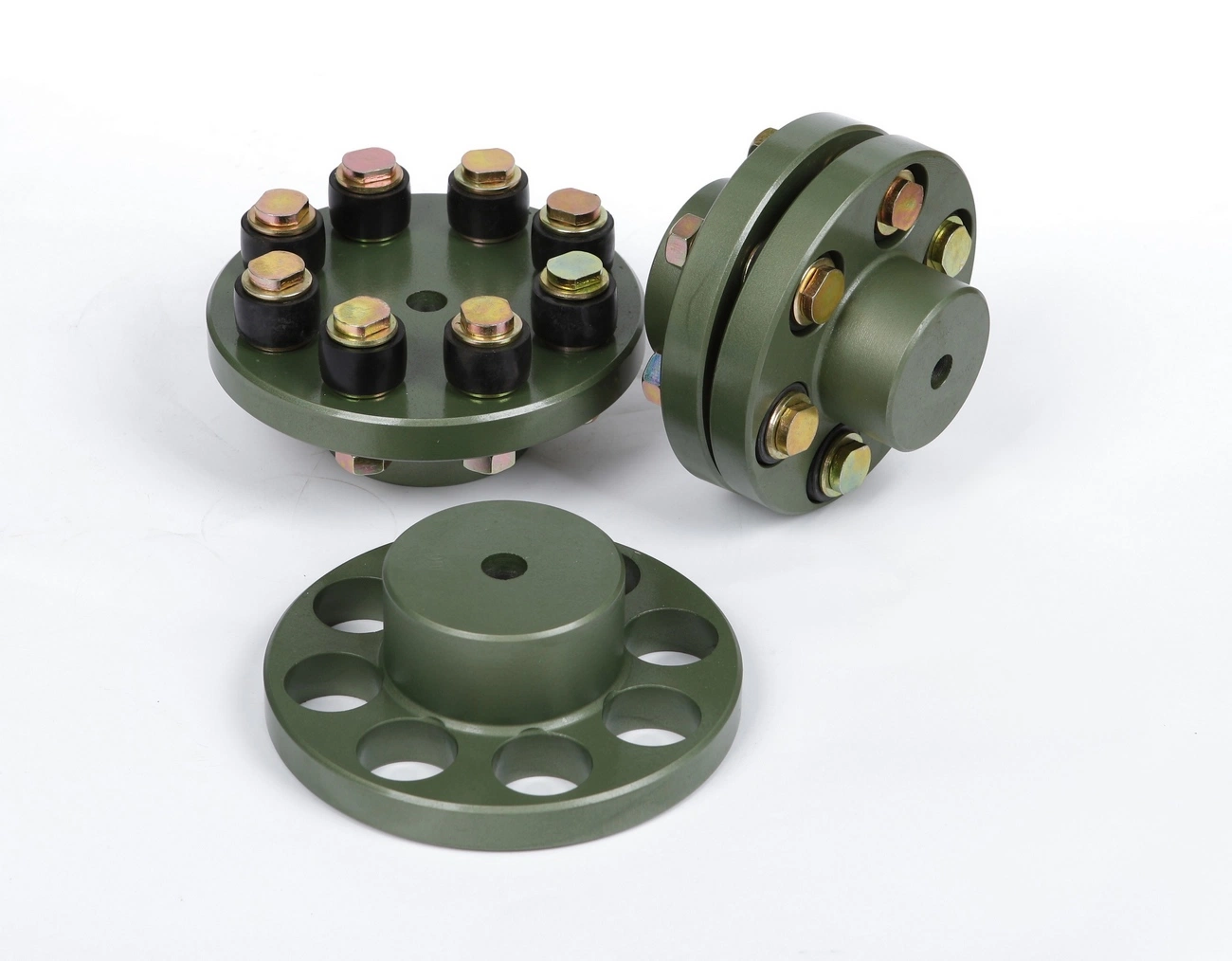
Can flexible couplings be used in servo motor and stepper motor applications?
Yes, flexible couplings are commonly used in both servo motor and stepper motor applications. They play a crucial role in connecting the motor shaft to the driven load while compensating for misalignments and providing other essential benefits:
- Servo Motor Applications: Servo motors require precise motion control and high responsiveness. Flexible couplings are well-suited for servo motor applications because they offer the following advantages:
- Misalignment Compensation: Servo motors are sensitive to misalignments, which can lead to decreased performance and increased wear. Flexible couplings can accommodate angular, parallel, and axial misalignments, ensuring that the motor and driven load remain properly aligned during operation.
- Vibration Damping: Flexible couplings help reduce vibrations, which is crucial for servo motor applications that require smooth and precise motion. By absorbing and dissipating vibrations, flexible couplings contribute to the overall stability and accuracy of the system.
- Backlash Minimization: Some flexible couplings have minimal to no backlash, making them suitable for high-precision servo motor applications where any play or clearance between components could affect performance.
- High Torque Capacity: Servo motors often require high torque transmission capabilities. Flexible couplings are available in various designs and materials, allowing for the selection of couplings with appropriate torque ratings for specific servo motor applications.
- Stepper Motor Applications: Stepper motors are commonly used in open-loop control systems where precise positioning is necessary. Flexible couplings are used in stepper motor applications due to the following reasons:
- Misalignment Tolerance: Stepper motors can experience misalignments, especially in dynamic applications. Flexible couplings can handle misalignments without introducing significant backlash or affecting the stepper motor’s accuracy.
- Cost-Effectiveness: Flexible couplings are often more cost-effective than other types of couplings, making them a practical choice for stepper motor applications, especially in cases where precision requirements are not as stringent as in servo motor systems.
- Shock Load Absorption: Some stepper motor applications involve abrupt starts and stops, leading to shock loads. Flexible couplings can absorb these shocks and protect the motor and driven load from damage.
- Simplicity: Flexible couplings are simple in design and easy to install, making them a popular choice in various stepper motor applications.
Overall, flexible couplings offer valuable benefits in both servo motor and stepper motor applications. They help improve system performance, reduce wear on components, and enhance the overall reliability of the motion control systems they are employed in.
What are the differences between single and double flexible coupling designs?
Single and double flexible couplings are two common designs used for power transmission in various mechanical systems. Here are the main differences between the two:
- Design: The primary difference lies in their configuration. A single flexible coupling consists of one flexible element connecting two shafts, while a double flexible coupling, also known as a two-piece flexible coupling, uses two flexible elements with an intermediate shaft in between. The double flexible coupling resembles two single couplings connected in series.
- Torsional Flexibility: Single flexible couplings typically provide greater torsional flexibility than double flexible couplings. The presence of an intermediate shaft in the double coupling design adds some rigidity and reduces the overall torsional flexibility of the system.
- Compensation of Misalignment: Both single and double flexible couplings can compensate for angular and parallel misalignment between shafts. However, due to its additional flexible element, the double flexible coupling may have slightly better misalignment compensation capabilities.
- Length and Space: Single flexible couplings are generally shorter in length compared to double flexible couplings. The double flexible coupling’s design requires additional space to accommodate the intermediate shaft, making it longer than the single coupling.
- Shaft Separation: Single flexible couplings connect the two shafts directly without any intermediate components, while the double flexible coupling separates the shafts using an intermediate shaft. This shaft separation in the double design can be advantageous in certain applications.
- Stiffness: The double flexible coupling tends to be slightly stiffer than the single flexible coupling due to the presence of the intermediate shaft, which may affect its ability to absorb vibrations and shock loads.
- Application: Single flexible couplings are commonly used in various applications, including pumps, compressors, fans, and general power transmission systems. Double flexible couplings are often preferred in applications where a higher level of torsional stiffness is required, such as certain industrial machinery.
Both single and double flexible coupling designs have their advantages and are suitable for different types of machinery and power transmission requirements. The choice between the two depends on factors such as the specific application, the level of misalignment compensation needed, the available space, and the desired torsional flexibility for the system.
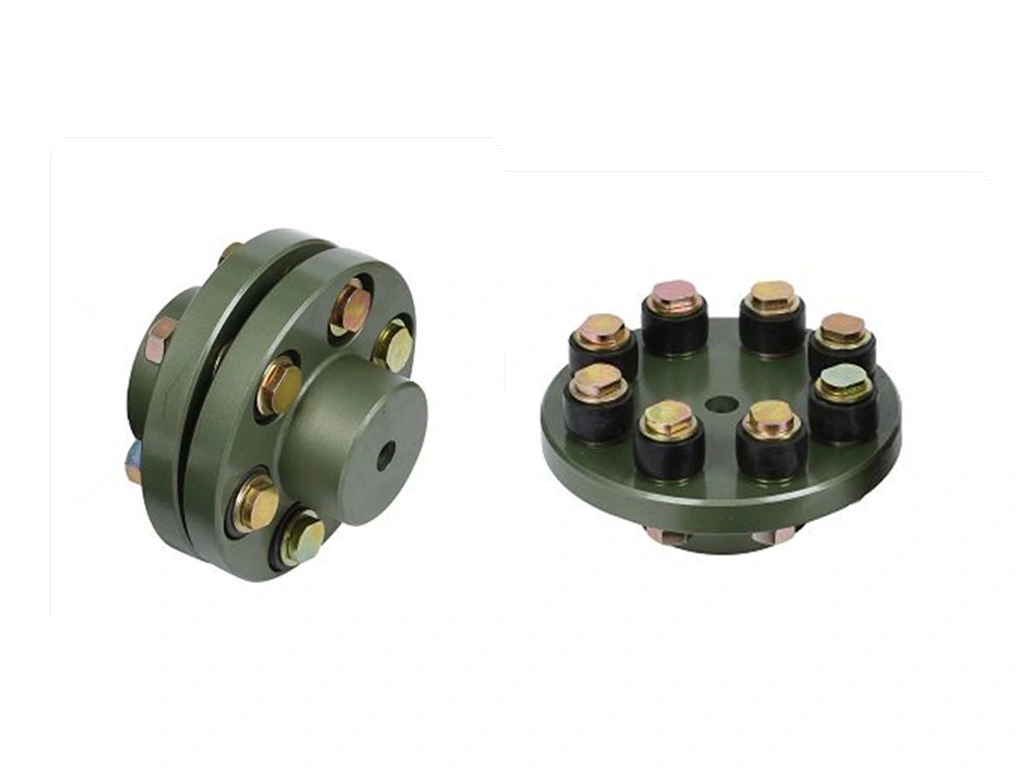
Can flexible couplings handle misalignment between shafts?
Yes, flexible couplings are specifically designed to handle misalignment between shafts in rotating machinery and mechanical systems. Misalignment can occur due to various factors, including installation errors, thermal expansion, manufacturing tolerances, or shaft deflection during operation.
Flexible couplings offer the ability to compensate for different types of misalignment, including:
- Angular Misalignment: When the shafts are not collinear and have an angular offset, flexible couplings can accommodate this misalignment by flexing or twisting, allowing the two shafts to remain connected while transmitting torque smoothly.
- Parallel Misalignment: Parallel misalignment occurs when the two shafts are not perfectly aligned along their axes. Flexible couplings can adjust to this misalignment, ensuring that the shafts remain connected and capable of transmitting power efficiently.
- Axial Misalignment: Axial misalignment, also known as end float or axial displacement, refers to the relative axial movement of the two shafts. Some flexible coupling designs can accommodate axial misalignment, allowing for slight axial movements without disengaging the coupling.
The ability of flexible couplings to handle misalignment is essential in preventing premature wear and failure of the connected equipment. By compensating for misalignment, flexible couplings reduce the stress on the shafts, bearings, and seals, extending the service life of these components and improving overall system reliability.
It is crucial to select the appropriate type of flexible coupling based on the specific misalignment requirements of the application. Different coupling designs offer varying degrees of misalignment compensation, and the choice depends on factors such as the magnitude and type of misalignment, the torque requirements, and the operating environment.
In summary, flexible couplings play a vital role in handling misalignment between shafts, ensuring efficient power transmission and protecting mechanical systems from the adverse effects of misalignment. Their ability to accommodate misalignment makes them indispensable components in various industrial, automotive, aerospace, and marine applications.


editor by CX 2024-02-20