
Product Description
SS Rigid stainless steel grooved coupling / pipe clamp / quick coupling ….
Rigid coupling SS acid resistant stainless steel coupling is designed to be used with SCH5S-SCH40S stainless steel pipes.
Working pressure: 350PSI, 600Psi,1200PSI
2.5Mpa,4.2Mpa, 8.3Mpa
Materials
Housing: Type CF8M (316) stainless steel ASTM A351, A743 or A744 Gr. CF-8M
Bolts & nuts: Stainless steel ASTM A193 B-8 , (SS316 )
Gasket
Standard gasket: Class “E” EPDM: Recommended to be used with cold and hot water within the temperature range -34 °C – +110 °C. Can also be used with diluted acids, oil-free air and several different chemicals. Not recommended to be used with oils, mineral oils, solvents or aromatic hydrocarbons.
Alternative gasket: Class “T” Nitrile: (Colour code: Orange). Temperature range: -29 °C – + 82 °C. Recommended to be used with oil products, oil containing air, vegetable and mineral oils within the provided temperature range. Also with water below +66 °C. Not to be used with HOT WATER over +66 °C or HOT DRY AIR over +60 °C.
Alternatives:
Class “O” – Fluoroelastomer
Class “L” – Silicone
| DN | D (mm) | Distance between pipe ends (mm) | X (mm) | Y (mm) | Z (mm) | Bolt size (mm) | Weight (kg) |
| 25 | 33.4 | 0-2.2 | 54.0 | 100 | 44 | M10x50 | 0.5 |
| 32 | 42.2 | 0-2.2 | 62.0 | 108 | 44 | M10x50 | 0.6 |
| 40 | 48.3 | 0-2.2 | 68.0 | 114 | 44 | M10x50 | 0.6 |
| 50 | 60.3 | 0-2.2 | 81.0 | 128 | 45 | M10x50 | 0.7 |
| 65 | 76.1 | 0-2.2 | 98.0 | 144 | 46 | M10x50 | 0.9 |
| 80 | 88.9 | 0-2.6 | 111.0 | 161 | 47 | M10x50 | 1.0 |
| 100 | 114.3 | 0-2.6 | 140.0 | 189 | 48 | M10x60 | 1.4 |
| 125 | 139.7 | 0-2.6 | 167.0 | 227 | 49 | M12x70 | 2.0 |
| 150 | 168.3 | 0-2.6 | 197.0 | 256 | 49 | M12x70 | 2.3 |
| 200 | 219.1 | 0-4.9 | 254.0 | 322 | 59 | M16x90 | 4.2 |
| *250 | 273.0 | – | – | – | – | – | – |
| *300 | 323.9 | – | – | – | – | – | – |
| DN | D (mm) | Max working pressure Sch 40S (Bar) |
Max tensile strength Sch 40S2 (kN) |
Max working pressure Sch 10S (Bar) |
Max tensile strength Sch 10S2 (kN) |
Max working pressure Sch 5S (Bar) |
Max tensile strength Sch 5S2 (kN) |
| 25 | 33.4 | 25 | 4.6 | 25 | 3.7 | 16 | 2.5 |
| 32 | 42.2 | 25 | 7.3 | 25 | 5.9 | 16 | 3.9 |
| 40 | 48.3 | 25 | 9.5 | 25 | 7.7 | 16 | 5.1 |
| 50 | 60.3 | 25 | 14.9 | 25 | 12.0 | 16 | 8.0 |
| 65 | 76.1 | 25 | 19.1 | 25 | 15.9 | 16 | 10.9 |
| 80 | 88.9 | 25 | 26.1 | 25 | 21.7 | 16 | 14.9 |
| 100 | 114.3 | 25 | 35.9 | 25 | 35.9 | 16 | 24.6 |
| 125 | 139.7 | 16 | 42.9 | 16 | 42.9 | 10 | 32.2 |
| 150 | 168.3 | 16 | 62.3 | 16 | 62.3 | 10 | 46.7 |
| 200 | 219.1 | 16 | 79.2 | 16 | 79.2 | 10 | 52.8 |
| *250 | 273.0 | – | – | – | – | – | – |
| *300 | 323.9 | – | – | – | – | – | – |
* Not a stock product, confirm delivery time and specifications.
** Only use tools and equipment intended for stainless steel when grooving stainless steel pipes during installation.
Our company is engaged in the production and trade of all kinds of Stainless Steel Grooved Pipe Coupling finished and unfinished products. Stainless Steel Grooved Pipe Coupling is our main production and sell well. We have established business relationships with clients in the Korea, Japan, Singapore, Iran, Dubai, Yemen, Chile, Brazil, France, UK, Italy, Canada and more than 20 countries and regions for Stainless Steel Grooved Pipe Coupling Annual sales revenue is USD 50 billion. The details of payment method, delivery time and minimium quantity and so on for Stainless Steel Grooved Pipe Coupling can be negotiated according to the order.
/* March 10, 2571 17:59:20 */!function(){function s(e,r){var a,o={};try{e&&e.split(“,”).forEach(function(e,t){e&&(a=e.match(/(.*?):(.*)$/))&&1
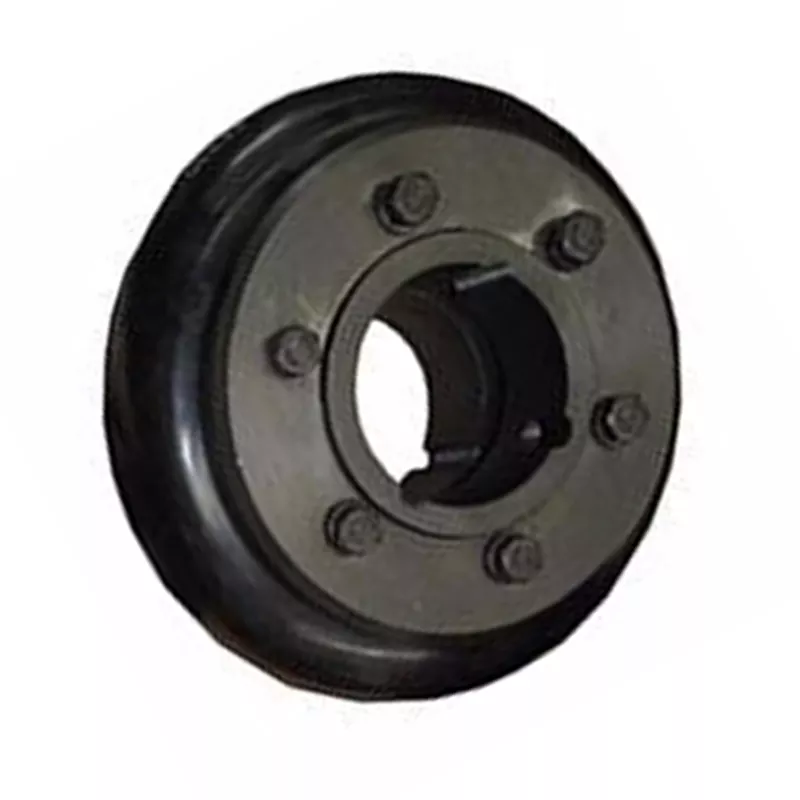
How do flexible couplings handle shaft misalignment in rotating equipment?
Flexible couplings are designed to handle shaft misalignment in rotating equipment, providing several key features that allow them to accommodate misalignment effectively. Here’s how they work:
- Angular Misalignment: Flexible couplings can handle angular misalignment, which occurs when the axes of the connected shafts are not perfectly aligned. The coupling’s flexible elements allow for slight angular deviation, ensuring that the torque can still be transmitted smoothly between the shafts.
- Parallel Misalignment: Parallel misalignment occurs when the connected shafts are not perfectly in line but run parallel to each other. Flexible couplings can compensate for this misalignment by utilizing their ability to flex or slide, allowing the shafts to remain connected while maintaining rotational integrity.
- Axial Misalignment: Axial misalignment refers to the situation where the connected shafts have a slight axial displacement. Some flexible couplings have specific designs to handle axial misalignment, allowing for limited movement along the axial direction without compromising the connection between the shafts.
- Double Flexing: Certain types of flexible couplings, such as the double-flexing couplings, can accommodate both angular and parallel misalignments simultaneously. These couplings use two sets of flexible elements to achieve this capability, providing a higher degree of misalignment compensation.
Overall, the flexibility of the coupling’s material and design allows it to bend, flex, or slide in response to the misalignment, reducing the stress on the connected equipment and ensuring smooth power transmission. By accommodating misalignment, flexible couplings help prevent premature wear, reduce vibration, and extend the service life of the rotating equipment.
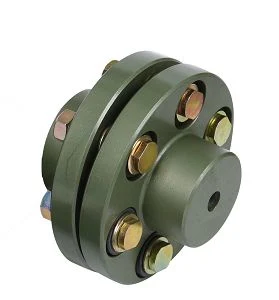
How does a flexible coupling handle torsional vibrations in rotating machinery?
A flexible coupling is designed to handle torsional vibrations in rotating machinery by providing a degree of flexibility and damping. Torsional vibrations are oscillations that occur in the drivetrain due to torque variations, sudden load changes, or other transient events. These vibrations can lead to resonance, excessive stress, and premature failure of components.
Flexible couplings mitigate torsional vibrations through the following mechanisms:
- Torsional Compliance: Flexible couplings have an element, such as an elastomeric insert, that can deform or twist to absorb torsional shocks. When the drivetrain experiences torsional vibrations, the flexible element flexes, effectively isolating and dampening the vibrations before they propagate further.
- Damping: Many flexible couplings have inherent damping properties, especially those with elastomeric components. Damping dissipates the energy of the torsional vibrations, reducing their amplitude and preventing resonance from occurring.
- Tuned Design: Some flexible couplings are specifically designed with specific torsional characteristics to match the drivetrain’s requirements. By tuning the coupling’s stiffness and damping properties, engineers can ensure optimal torsional vibration control.
- Torsional Stiffness: While flexible couplings provide flexibility to absorb vibrations, they also offer a degree of torsional stiffness to maintain the torque transmission efficiency between the shafts.
It is important to select the appropriate flexible coupling based on the specific torsional characteristics and requirements of the rotating machinery. Different applications may demand different types of couplings with varying levels of flexibility and damping. High-performance flexible couplings can effectively minimize torsional vibrations, protecting the drivetrain and connected equipment from excessive stress and potential damage.
Additionally, proper alignment of the flexible coupling during installation is crucial to ensure its optimal performance in mitigating torsional vibrations. Misalignment can introduce additional stresses and exacerbate torsional issues in the system. Regular inspection and maintenance of the flexible coupling will help identify any signs of wear or damage that may affect its ability to handle torsional vibrations effectively.
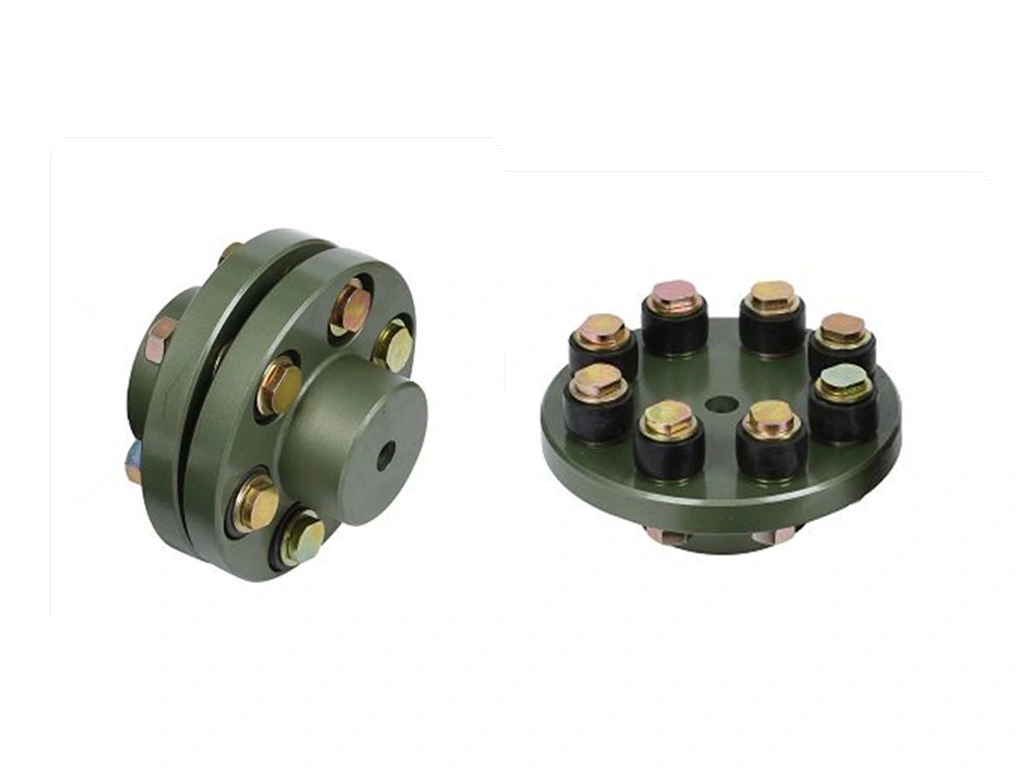
What are the factors to consider when choosing a flexible coupling for a specific system?
Choosing the right flexible coupling for a specific system requires careful consideration of several factors. The following are the key factors that should be taken into account:
- 1. Misalignment Requirements: Assess the type and magnitude of misalignment expected in the system. Different couplings are designed to handle specific types of misalignment, such as angular, parallel, or axial misalignment. Choose a coupling that can accommodate the expected misalignment to prevent premature wear and failure.
- 2. Torque Capacity: Determine the required torque capacity of the coupling to ensure it can transmit the necessary power between the shafts. Consider both the continuous and peak torque loads that the system may experience.
- 3. Operating Speed: Take into account the rotational speed of the system. High-speed applications may require couplings that can handle the additional centrifugal forces and balance requirements.
- 4. Temperature Range: Consider the operating temperature range of the system. Select a coupling material that can withstand the temperatures encountered without losing its mechanical properties.
- 5. Environment and Conditions: Evaluate the environmental conditions where the coupling will be used, such as exposure to moisture, chemicals, dust, or corrosive substances. Choose a coupling material that is compatible with the operating environment.
- 6. Space Constraints: Assess the available space for the coupling installation. Some couplings have compact designs suitable for applications with limited space.
- 7. Installation and Maintenance: Consider the ease of installation and maintenance. Some couplings may require special tools or disassembly for maintenance, while others offer quick and simple installation.
- 8. Torsional Stiffness: Evaluate the torsional stiffness of the coupling. A balance between flexibility and stiffness is essential to prevent excessive torsional vibrations while accommodating misalignment.
- 9. Shock and Vibration Damping: For applications with high shock loads or vibration, select a coupling with excellent damping characteristics to protect the system from excessive forces.
- 10. Cost and Budget: Compare the cost of the coupling with the overall budget for the system. Consider the long-term cost implications, including maintenance and replacement expenses.
Ultimately, the choice of a flexible coupling should align with the specific requirements and operating conditions of the system. Consulting with coupling manufacturers or engineering experts can provide valuable insights to ensure the optimal selection of a coupling that enhances system performance, reliability, and efficiency.


editor by CX 2024-02-06