
Product Description
4 colors choice: Red ,Orange ,Blue ,Galvanized Of Rigid Coupling,galvanized pipe fitting
ductile iron rigid coupling / fire fitting coupling / grooved fittings
1.FM UL approved of All Grooved Coupling
2.Size:1-12″ for all grooved fitting
3.Grooved Coupling Material:ductile iron ASTM-A536 Grade 65-45-12
4.Grooved Coupling Surface :painting,epoxy,hot dip galvanzed
5.Gasket for Grooved Coupling :
EDPM , tempersture Range : (-34—-+110ºC)
SILICON , tempersture Range : (-40—-+177ºC)
NITRILE, tempersture Range : (-29—-+82ºC)
Ductile flexible coupling ,ductile iron flexible coupling / fire fighting /grooved fittings,Rigid coupling
| UL FM Flexbile Coupling | |||||
| Nominal Size mm/in | Pipe O.D mm/in | Working Pressure PSI/MPa | Dimensions mm/in | ||
| Ø | L | H | |||
| 25 1 |
33.7 1.327 |
300 2.07 |
55. 2.165 |
95 3.74 |
45 1.772 |
| 32 1¼ |
42.4 1.669 |
300 2.07 |
65 2.559 |
105 4.133 |
45 1.772 |
| 40 1½ |
48.3 1.900 |
300 2.07 |
71. 2.795 |
110 4.331 | 45 1.772 |
| 50 2 |
60.3 2.375 |
300 2.07 |
82 3.228 |
124 4.882 |
45 1.772 |
| 65 2½ |
73.0 2.875 |
300 2.07 |
98 3.858 |
141 5.551 |
45 1.772 |
| 65 3OD |
76.1 3.000 |
300 2.07 |
100 3.937 |
142 5.59 |
45 1.772 |
| 80 3 |
88.9 3.500 |
300 2.07 |
113 4.449 |
160 6.299 |
46 1.811 |
| 100 4 |
114.3 4.500 |
300 2.07 |
142 5.59 |
190 7.48 |
49 1.929 |
| 125 5.5OD |
139.7 5.500 |
300 2.07 |
168 6.614 |
218 8.583 |
49 1.929 |
| 150 6.5OD |
165.1 6.500 |
300 2.07 |
194 7.638 |
244 9.606 |
49 1.929 |
| 150 6 |
168.3 6.625 | 300 2.07 |
198 7.795 |
248 9.764 |
49 1.929 |
| 200 8 |
219.1 8.625 |
300 2.07 |
256. 10.079 |
320 12.598 |
60 2.362 |
| 250 10 |
273 10.748 |
300 2.07 |
328 12.913 |
420 16.535 |
64 2.52 |
| 300 12 |
323.9 12.752 |
300 2.07 |
380 14.961 |
454 17.874 |
64 2.52 |
DETAILS
| Name | Rigid and flexible Coupling, elbow, tee, cross, reducer, cap, mechanical tee, mechanical cross, flange adaptor |
| Standard | ANSI, ASTM, ISO |
| Type | Manufacturer,trading company |
| Material | Ductile iron |
| Finish | Paint, Epoxy or Galvanization |
| Approval | FM/UL |
| Usage | 1) Automatic sprinkler system for fire protection on commercial, civil and municipal constructions like water supplying, gas supplying, heat supplying, etc. 2) Industrial pipeline system on shipping, mine, oil field, textile, powder plant, etc. 3) Pipeline system on subway station, railway station, airport, seaport, bridge, etc. |
KINGMETAL STEEL INDUSTRY CO.,LTD ,is a professional company in manufacturing and saling steel pipes and pipe fittings
( tee, elbow ,reducer ,flanges). we are an old company in this area ,we start from 1989 and have rich exporting experience .
Cooperating with us you will feel easy and safe !
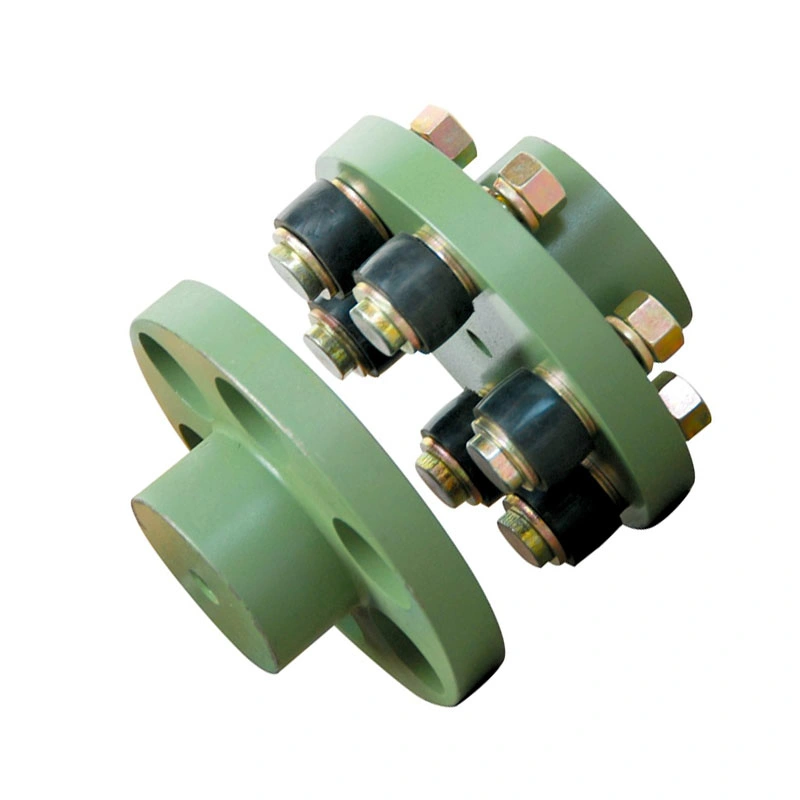
What role does a flexible coupling play in minimizing wear and tear on connected components?
A flexible coupling plays a vital role in minimizing wear and tear on connected components by absorbing and mitigating various mechanical stresses that occur during operation. Here’s how a flexible coupling achieves this:
- Misalignment Compensation: One of the primary causes of wear and tear on rotating machinery is misalignment between connected shafts. Misalignment can occur due to factors such as thermal expansion, foundation settling, or assembly errors. A flexible coupling can accommodate both angular and parallel misalignments, reducing the stress on the shafts and connected components. By allowing for misalignment, the coupling prevents excessive forces from being transmitted to the connected components, minimizing wear.
- Vibration Damping: During operation, rotating machinery can generate vibrations that lead to accelerated wear on components like bearings, gears, and couplings. A flexible coupling acts as a vibration damper, absorbing and dispersing vibrations, reducing their impact on connected components. This damping effect helps prevent fatigue and extends the life of the components.
- Shock Absorption: Machinery may experience sudden shocks or impact loads during start-ups, shutdowns, or due to external factors. A flexible coupling is designed to absorb and cushion these shocks, preventing them from propagating through the system and causing damage to sensitive components.
- Smooth Torque Transmission: In rigid couplings, torque transmission between shafts can be abrupt and cause torque spikes. These spikes put stress on the connected components, leading to wear and fatigue. Flexible couplings transmit torque smoothly, without sudden spikes, ensuring even distribution of forces and reducing the wear on components.
- Controlling Torsional Vibrations: Torsional vibrations, a type of vibration that affects rotating shafts, can be damaging to connected components. Some flexible couplings are designed to address torsional vibration issues, providing additional protection against wear and tear.
- Compensating for Thermal Expansion: Temperature fluctuations can lead to thermal expansion or contraction of machinery components. A flexible coupling can accommodate these changes, preventing undue stress on the connected components that may arise from differential expansion rates.
By performing these functions, a flexible coupling acts as a protective barrier for connected components, minimizing wear and tear, and contributing to their longevity. The reduced wear and stress on the components also result in lower maintenance costs and improved overall reliability of the mechanical system.
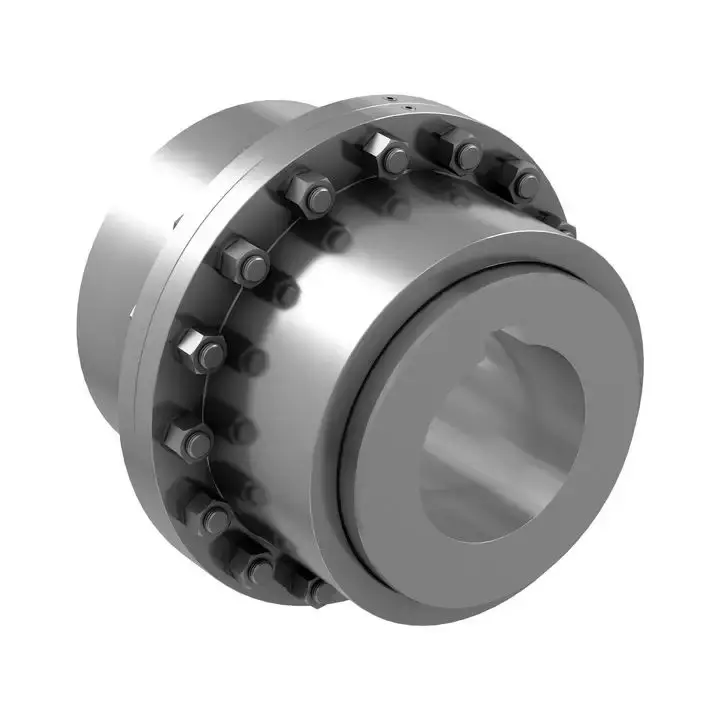
Can flexible couplings be used in marine and automotive applications?
Yes, flexible couplings are commonly used in both marine and automotive applications. They offer various advantages that make them suitable for these industries:
- Misalignment Compensation: In marine and automotive systems, there can be misalignments due to factors such as hull flexing in marine vessels or engine movements in vehicles. Flexible couplings can accommodate these misalignments, ensuring efficient power transmission between the engine and the propeller or wheels.
- Vibration Damping: Both marine and automotive environments experience vibrations from engines, propellers, or road conditions. Flexible couplings help dampen these vibrations, reducing wear on components and enhancing the comfort of passengers or crew members.
- Shock Load Absorption: Marine vessels and vehicles can encounter shock loads during operation, especially in rough sea conditions or uneven terrains. Flexible couplings can absorb and dissipate the impact of these shock loads, protecting the drivetrain and transmission components.
- Compact Design: Space is often limited in marine vessels and automotive systems. Flexible couplings come in various compact designs, making them suitable for applications with restricted installation space.
- Corrosion Resistance: Marine environments expose components to corrosive seawater, while automotive systems may encounter exposure to road salt and other corrosive substances. Flexible couplings made from corrosion-resistant materials, such as stainless steel or non-metallic compounds, are ideal for these applications.
- Easy Maintenance: Flexible couplings with self-lubricating features or low maintenance requirements are well-suited for marine and automotive applications, where regular maintenance can be challenging.
- High Torque Capacity: Automotive systems, especially in heavy-duty vehicles, require couplings that can handle high torque levels. Flexible couplings designed for automotive use offer high torque capacity and reliability.
Overall, the adaptability, vibration damping, and misalignment compensation provided by flexible couplings make them suitable for various marine and automotive applications. Whether used in boats, yachts, ships, cars, trucks, or other vehicles, flexible couplings contribute to smooth and reliable power transmission, leading to improved performance and reduced maintenance requirements.
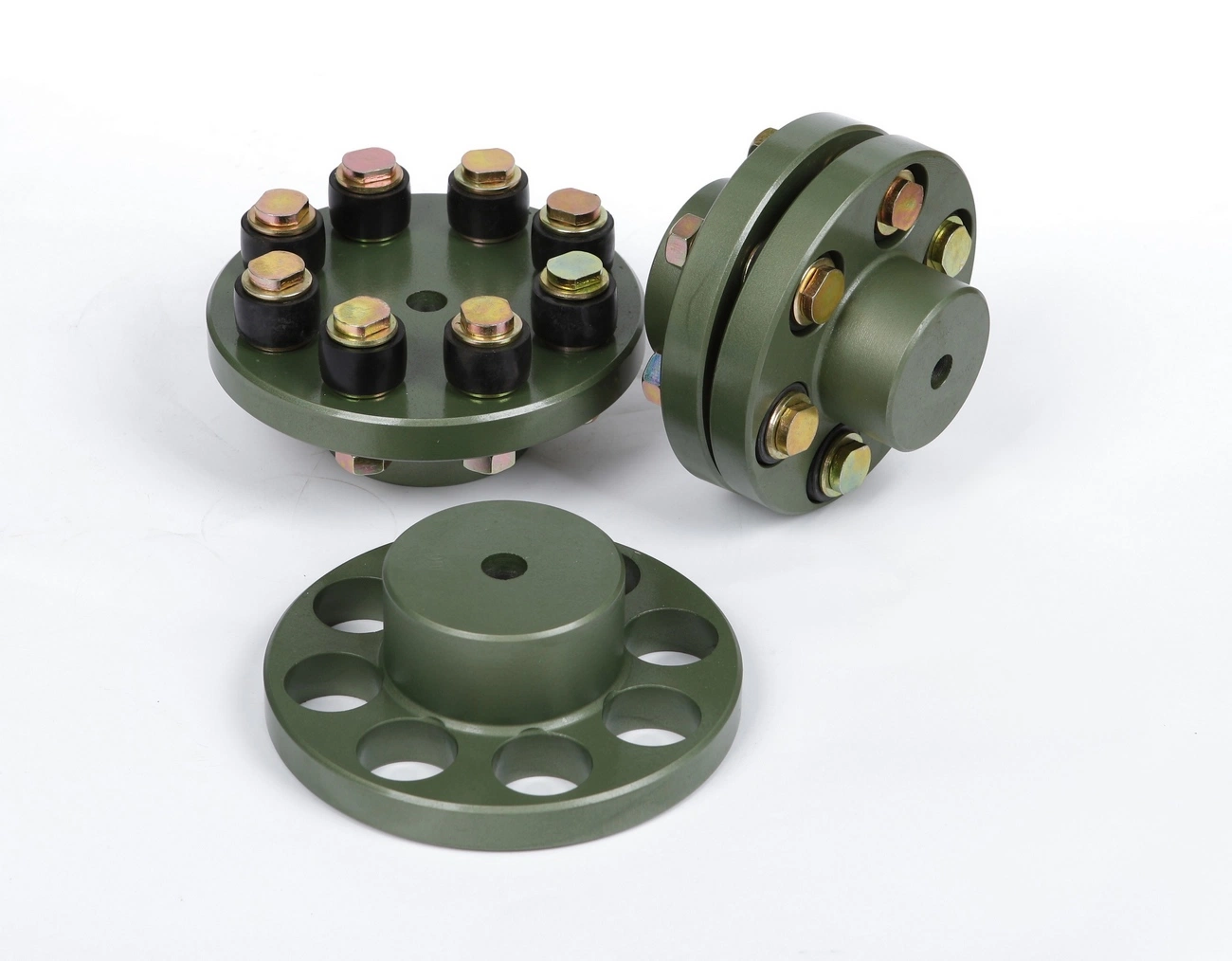
What are the differences between elastomeric and metallic flexible coupling designs?
Elastomeric and metallic flexible couplings are two distinct designs used to transmit torque and accommodate misalignment in mechanical systems. Each type offers unique characteristics and advantages, making them suitable for different applications.
Elastomeric Flexible Couplings:
Elastomeric flexible couplings, also known as flexible or jaw couplings, employ an elastomeric material (rubber or similar) as the flexible element. The elastomer is typically molded between two hubs, and it acts as the connector between the driving and driven shafts. The key differences and characteristics of elastomeric couplings include:
- Misalignment Compensation: Elastomeric couplings are designed to handle moderate levels of angular, parallel, and axial misalignment. The elastomeric material flexes to accommodate the misalignment while transmitting torque between the shafts.
- Vibration Damping: The elastomeric material in these couplings offers excellent vibration dampening properties, reducing the transmission of vibrations from one shaft to another. This feature helps protect connected equipment from excessive vibrations and enhances system reliability.
- Shock Load Absorption: Elastomeric couplings can absorb and dampen shock loads, protecting the system from sudden impacts or overloads.
- Cost-Effective: Elastomeric couplings are generally more cost-effective compared to metallic couplings, making them a popular choice for various industrial applications.
- Simple Design and Installation: Elastomeric couplings often have a straightforward design, allowing for easy installation and maintenance.
- Lower Torque Capacity: These couplings have a lower torque capacity compared to metallic couplings, making them suitable for applications with moderate torque requirements.
- Common Applications: Elastomeric couplings are commonly used in pumps, compressors, fans, conveyors, and other applications that require moderate torque transmission and misalignment compensation.
Metallic Flexible Couplings:
Metallic flexible couplings use metal components (such as steel, stainless steel, or aluminum) to connect the driving and driven shafts. The metallic designs can vary significantly depending on the type of metallic coupling, but some general characteristics include:
- High Torque Capacity: Metallic couplings have higher torque transmission capabilities compared to elastomeric couplings. They are well-suited for applications requiring high torque handling.
- Misalignment Compensation: Depending on the design, some metallic couplings can accommodate minimal misalignment, but they are generally not as flexible as elastomeric couplings in this regard.
- Stiffer Construction: Metallic couplings are generally stiffer than elastomeric couplings, offering less vibration dampening but higher torsional stiffness.
- Compact Design: Metallic couplings can have a more compact design, making them suitable for applications with limited space.
- Higher Precision: Metallic couplings often offer higher precision and concentricity, resulting in better shaft alignment.
- Higher Cost: Metallic couplings are typically more expensive than elastomeric couplings due to their construction and higher torque capacity.
- Common Applications: Metallic couplings are commonly used in high-speed machinery, precision equipment, robotics, and applications with high torque requirements.
Summary:
In summary, the main differences between elastomeric and metallic flexible coupling designs lie in their flexibility, torque capacity, vibration dampening, cost, and applications. Elastomeric couplings are suitable for applications with moderate torque, misalignment compensation, and vibration dampening requirements. On the other hand, metallic couplings are chosen for applications with higher torque and precision requirements, where flexibility and vibration dampening are less critical.


editor by CX 2023-08-09