
Product Description
| Item No. | φD | L | W | L1 | M | Tighten the strength(N.m) |
| SG7-8-C19- | 19.5 | 20 | 1.2 | 9.4 | M2.5 | 1 |
| SG7-8-C26- | 26 | 25.5 | 2.5 | 11.5 | M3 | 1.5 |
| SG7-8-C34- | 34 | 32.3 | 3.3 | 14.5 | M4 | 1.5 |
| SG7-8-C39- | 39 | 34.1 | 4.1 | 15 | M4 | 2.5 |
| SG7-8-C44- | 44 | 34.5 | 4.5 | 15 | M4 | 2.5 |
| SG7-8-C50- | 50 | 40.5 | 4.5 | 18 | M5 | 7 |
| SG7-8-C56- | 56 | 45 | 5 | 20 | M5 | 7 |
| SG7-8-C68- | 68 | 54 | 6 | 24 | M6 | 12 |
| SG7-8-C82- | 82 | 68 | 8 | 30 | M8 | 16 |
| SG7-8-C94- | 94 | 68 | 8 | 30 | M8 | 28 |
| SG7-8-C104- | 104 | 70 | 10 | 30 | M8 | 28 |
| Item No. | Rated torque | Maximum Torque | Max Speed | Inertia Moment | N.m rad | RRO | Tilting Tolerance | End-play | Weight:(g) |
| SG7-8-C19- | 1N.m | 2N.m | 10000prm | 0.65×10⁻⁶kg.m² | 200N.m/rad | 0.04mm | 1c | ±0.2mm | 12 |
| SG7-8-C26- | 1.4N.m | 2.8N.m | 10000prm | 1.8×10⁻⁶kg.m² | 690N.m/rad | 0.04mm | 1c | ±0.2mm | 31 |
| SG7-8-C34- | 2.8N.m | 5.6N.m | 10000prm | 7.2×10⁻⁶kg.m² | 1650N.m/rad | 0.04mm | 1c | ±0.2mm | 64 |
| SG7-8-C39- | 5.8N.m | 11.6N.m | 10000prm | 1.8×10⁻⁵kg.m² | 2500N.m/rad | 0.04mm | 1c | ±0.2mm | 97 |
| SG7-8-C44- | 8.7N.m | 17.4N.m | 10000prm | 2.5×10⁻⁵kg.m² | 2900N.m/rad | 0.04mm | 1c | ±0.2mm | 113 |
| SG7-8-C50- | 15N.m | 30N.m | 10000prm | 8.2×10⁻⁵kg.m² | 6700N.m/rad | 0.04mm | 1c | ±0.2mm | 195 |
| SG7-8-C56- | 25N.m | 50N.m | 10000prm | 1×10⁻⁴kg.m² | 8400N.m/rad | 0.04mm | 1c | ±0.2mm | 263 |
| SG7-8-C68- | 55N.m | 110N.m | 10000prm | 1.9×10⁻⁴kg.m² | 11500N.m/rad | 0.04mm | 1c | ±0.2mm | 445 |
| SG7-8-C82- | 80N.m | 160N.m | 10000prm | 7×10⁻⁴kg.m² | 14550N.m/rad | 0.04mm | 1c | ±0.2mm | 892 |
| SG7-8-C94- | 185N.m | 370N.m | 10000prm | 1.23×10⁻³kg.m² | 16900N.m/rad | 0.04mm | 1c | ±0.2mm | 950 |
| SG7-8-C104- | 255N.m | 510N.m | 10000prm | 1.86×10⁻³kg.m² | 25100N.m/rad | 0.04mm | 1c | ±0.2mm | 1190 |
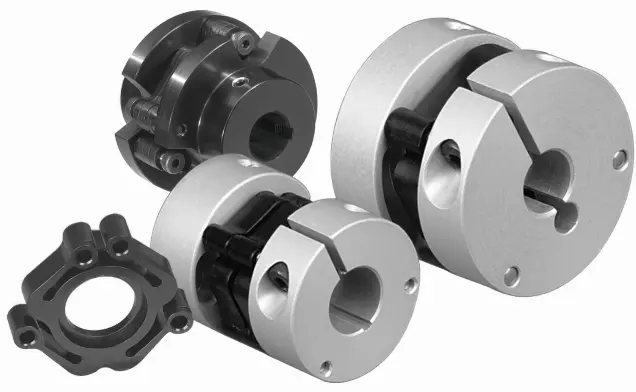
Understanding the Torque and Misalignment Capabilities of Motor Couplings
Motor couplings play a crucial role in transmitting torque from the motor to the driven equipment while accommodating certain degrees of misalignment between the shafts. Here’s a detailed explanation of their torque and misalignment capabilities:
Torque Transmission:
Torque transmission is one of the primary functions of a motor coupling. It refers to the ability of the coupling to transfer rotational force (torque) from the motor shaft to the driven equipment shaft. The torque capacity of a coupling depends on various factors, including:
- Coupling Type: Different coupling types have varying torque capacities. For instance, gear couplings have high torque capacity, making them suitable for heavy-duty applications.
- Material and Design: The material and design of the coupling elements play a role in determining its torque capacity. Couplings made from high-strength materials can handle higher torque loads.
- Size: The size of the coupling affects its torque capacity. Larger couplings generally have higher torque ratings.
- Operating Conditions: Environmental factors, temperature, and speed also influence the torque capacity of the coupling.
Misalignment Compensation:
Motor couplings are designed to accommodate a certain degree of misalignment between the motor and driven equipment shafts. Misalignment can occur due to factors such as manufacturing tolerances, thermal expansion, and operational conditions. The misalignment capability of a coupling depends on its type and design:
- Flexible Couplings: Flexible couplings, such as jaw couplings or elastomeric couplings, can handle both angular and parallel misalignment. They provide some flexibility to dampen vibrations and compensate for minor misalignment.
- Universal Joints: Universal joints can handle angular misalignment and are commonly used in applications requiring a high range of motion, such as vehicle drivelines.
- Disc Couplings: Disc couplings can handle angular misalignment and provide high torsional stiffness for precision applications.
- Bellows Couplings: Bellows couplings are suitable for applications requiring high levels of parallel misalignment compensation, such as in optical equipment.
It is essential to consider the torque and misalignment requirements of the specific application when selecting a motor coupling. Properly matching the coupling’s capabilities to the system’s needs ensures efficient torque transmission and helps prevent premature wear or failure due to misalignment issues.
“`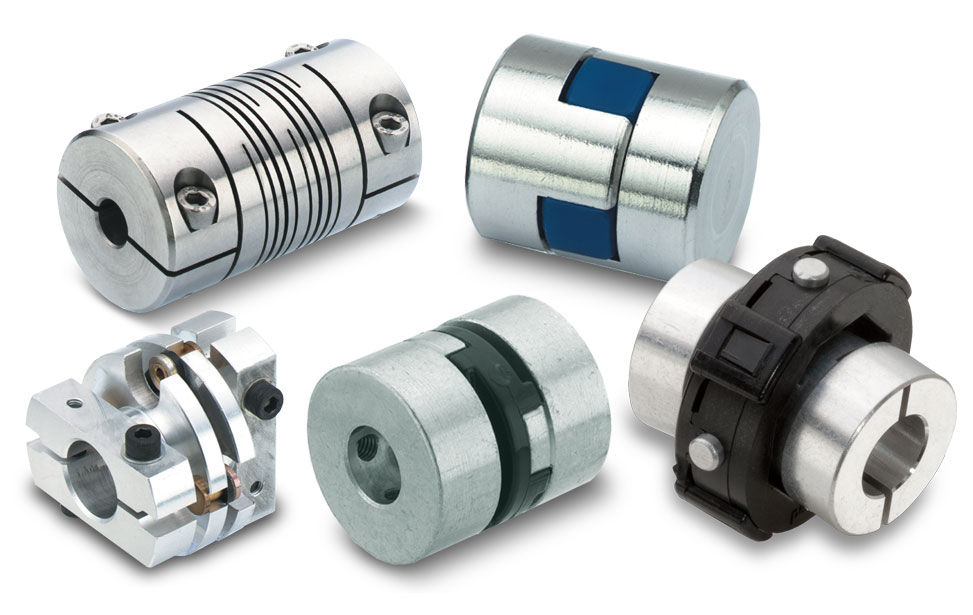
Temperature and Speed Limits for Different Motor Coupling Types
Motor couplings come in various types, and each type has its temperature and speed limits. These limits are essential considerations to ensure the coupling operates safely and efficiently. Here are the general temperature and speed limits for different motor coupling types:
1. Elastomeric Couplings:
Elastomeric couplings, such as jaw couplings and spider couplings, are commonly used in a wide range of applications. They typically have temperature limits of approximately -40°C to 100°C (-40°F to 212°F). The speed limits for elastomeric couplings typically range from 3,000 to 6,000 RPM, depending on the specific coupling design and size.
2. Gear Couplings:
Gear couplings are known for their high torque capacity and durability. The temperature limits for gear couplings are usually between -50°C to 150°C (-58°F to 302°F). The speed limits for gear couplings can be as high as 5,000 to 10,000 RPM or more, depending on the size and design.
3. Disc Couplings:
Disc couplings provide high torsional stiffness and are often used in precision applications. The temperature limits for disc couplings are typically around -40°C to 200°C (-40°F to 392°F). The speed limits for disc couplings can range from 5,000 to 20,000 RPM or more.
4. Grid Couplings:
Grid couplings are known for their shock absorption capabilities. The temperature limits for grid couplings are usually between -30°C to 100°C (-22°F to 212°F). The speed limits for grid couplings typically range from 3,600 to 5,000 RPM.
5. Oldham Couplings:
Oldham couplings are often used to transmit motion between shafts with significant misalignment. The temperature limits for Oldham couplings are generally around -30°C to 80°C (-22°F to 176°F). The speed limits for Oldham couplings are usually up to 3,000 to 5,000 RPM.
6. Diaphragm Couplings:
Diaphragm couplings are suitable for applications requiring high precision and torque transmission. The temperature limits for diaphragm couplings are typically between -50°C to 300°C (-58°F to 572°F). The speed limits for diaphragm couplings can be as high as 10,000 to 30,000 RPM.
It is essential to check the manufacturer’s specifications and recommendations for the specific coupling model to ensure the coupling operates within its intended temperature and speed limits. Operating the coupling beyond these limits may lead to premature wear, reduced performance, or even catastrophic failure. Properly selecting a coupling that matches the application’s temperature and speed requirements is critical for reliable and safe operation.
“`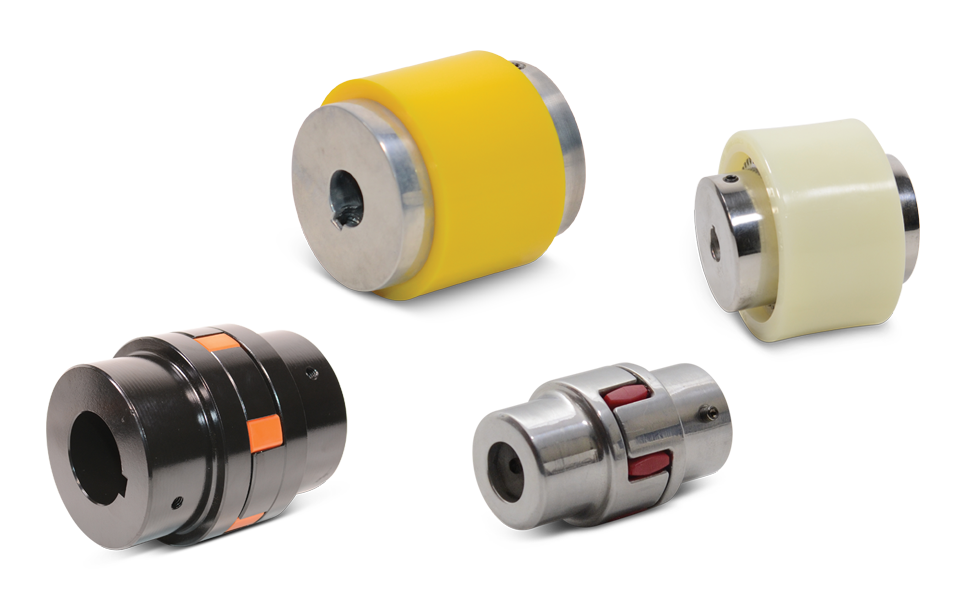
Can a Damaged Motor Coupling Lead to Motor or Equipment Failure?
Yes, a damaged motor coupling can lead to motor or equipment failure if not addressed promptly. Motor couplings play a critical role in connecting the motor to the driven equipment and transmitting torque between them. When a coupling is damaged, several potential issues can arise:
- Reduced Torque Transmission: Cracks, wear, or deformation in the coupling can result in reduced torque transmission from the motor to the driven equipment. This may lead to inefficient operation and underperformance of the machinery.
- Mechanical Vibrations: Damaged couplings can introduce vibrations into the system, leading to increased wear and fatigue on connected components, such as bearings and shafts. Excessive vibrations can cause premature failure of these parts.
- Misalignment and Stress: If the coupling loses its ability to compensate for misalignment, it can subject the motor and driven equipment to increased stress and loading. This can result in premature wear and failure of bearings, shafts, and other components.
- Overload on the Motor: In certain coupling designs, damage may result in a loss of overload protection. Without the safety mechanism, the motor may experience excessive loads, leading to overheating and possible motor failure.
- Increased Downtime: A damaged coupling can cause unexpected breakdowns and unplanned downtime for repairs, affecting productivity and overall operational efficiency.
- Safety Risks: In extreme cases, a severely damaged coupling may disintegrate during operation, posing safety risks to personnel and surrounding equipment.
To avoid motor or equipment failure due to a damaged coupling, regular maintenance and inspection are crucial. Visual inspections, vibration analysis, and monitoring of coupling performance can help identify signs of damage early on. If any issues are detected, it is essential to replace or repair the damaged coupling promptly to prevent further damage and ensure the reliable operation of the machinery.
Proper selection of high-quality couplings, appropriate for the specific application and operating conditions, can also reduce the likelihood of coupling failure and its potential impact on the motor and equipment.
“`

editor by CX 2023-10-16