
Product Description
Stainless Steel Grooved Pipe Coupling 2” DN50mm 600psi (4.0Mpa)
1. Available Size:
* 3/4” – 12” ( DN20-DN300mm)
2. Maximum Working Pressure :
* 600 CHINAMFG ( 40 bar)
* working pressure dependent on material, wall thickness and size of pipe .
3. Application:
* Provides a flexible pipe joint which allows for expansion, contraction and deflection
* This product joints standard Sch 40S cut grooved pipe
* Suit for pipeline medium including cold water, hot water, rare acid, Oil-free air and chemical
4. Material
Body Material : SS304, SS316, SS316L, SS CE8MN, SS Duplex 2204, SS Duplex 2507
Rubber Sealing : EPDM
Bolt & Nut : SS304, SS316
5. Dimension Sheet :
Typical for all sizes
| Model S30 Stainless Steel Flexible Coupling | ||||||||
| Nominal Size | Pipe O.D | Working Pressure | Pipe End Separation | Coupling Dimensions | Coupling Bolts | |||
| X | Y | Z | Qty | Size | ||||
| mm/inch | (mm/inch) | (psi/bar) | (mm/inch) | mm/inch | mm/inch | mm/inch | pcs | mm |
| 20 3/4 | 26.9 1.050 | 600 42 | 0-1.6 0-0.06 | 47 1.850 | 87 3.425 | 43 1.693 | 2 | M10x40 |
| 25 1 | 32 1.260 | 500 35 | 0-1.6 0-0.06 | 53 2.087 | 90 3.543 | 43 1.693 | 2 | M10x45 |
| 32 1 1/4 | 38 1.496 | 500 35 | 0-1.6 0-0.06 | 58 2.283 | 94 3.700 | 44 1.732 | 2 | M10x45 |
| 32 1 1/4 | 42.4 1.660 | 500 35 | 0-1.6 0-0.06 | 62 2.441 | 106 4.173 | 44 1.732 | 2 | M10x45 |
| 40 1 1/2 | 48.3 1.900 | 500 35 | 0-1.6 0-0.06 | 67 2.638 | 106 4.173 | 43 1.693 | 2 | M10x45 |
| 50 2 | 57 2.244 | 500 35 | 0-1.6 0-0.06 | 77 3.031 | 116 4.567 | 43 1.693 | 2 | M10x50 |
| 50 2 | 60.3 2.375 | 500 35 | 0-1.6 0-0.06 | 78 3.071 | 117 4.606 | 43 1.693 | 2 | M10x50 |
| 65 2 1/2 | 73 2.875 | 500 35 | 0-1.6 0-0.06 | 94 3.700 | 134 5.275 | 44 1.732 | 2 | M10x50 |
| 65 2 1/2 | 76.1 3.000 | 500 35 | 0-1.6 0-0.06 | 94 3.700 | 134 5.275 | 44 1.732 | 2 | M10x50 |
| 80 3 | 88.9 3.500 | 500 35 | 0-1.6 0-0.06 | 110 4.330 | 150 5.905 | 45 1.771 | 2 | M10x50 |
| 100 4 | 108 4.250 | 450 31 | 0-3.2 0-0.13 | 135 5.315 | 184 7.244 | 47 1.850 | 2 | M12x60 |
| 100 4 | 114 4.500 | 450 31 | 0-3.2 0-0.13 | 139 5.472 | 190 7.480 | 48 1.890 | 2 | M12x60 |
| 125 5 | 133 5.250 | 400 28 | 0-3.2 0-0.13 | 164 6.456 | 215 8.465 | 48 1.890 | 2 | M12x60 |
| 125 5 | 141.3 5.563 | 400 28 | 0-3.2 0-0.13 | 168 6.614 | 215 8.465 | 48 1.890 | 2 | M12x60 |
| 150 6 | 159 6.259 | 350 25 | 0-3.2 0-0.13 | 190 7.480 | 240 9.448 | 49 1.929 | 2 | M12x70 |
| 150 6 | 168.3 6.625 | 350 25 | 0-3.2 0-0.13 | 198 7.795 | 246 9.685 | 49 1.929 | 2 | M12x70 |
| 200 8 | 219.1 8.625 | 350 25 | 0-3.2 0-0.13 | 253 9.961 | 318 12.519 | 57 2.244 | 2 | M12x70 |
| 250 10 | 273 10.750 | 300 21 | 0-3.2 0-0.13 | 315 12.401 | 396 15.590 | 59 2.322 | 2 | M20x110 |
| 300 12 | 323.9 12.750 | 300 21 | 0-3.2 0-0.13 | 372 14.645 | 452 17.795 | 60 2.362 | 2 | M20x110 |
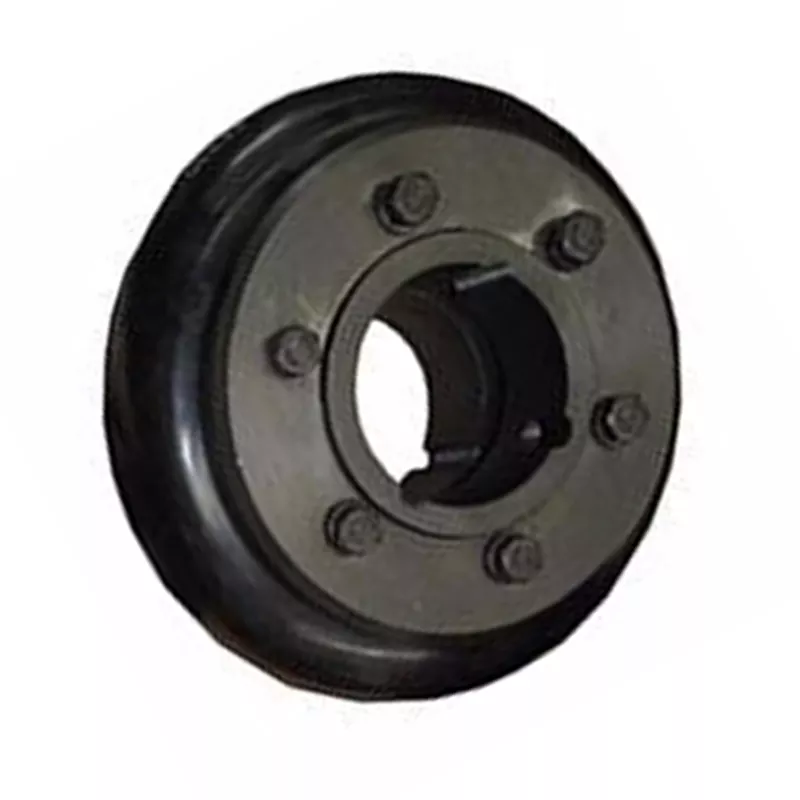
What are the torque and speed ratings for different sizes of flexible couplings?
The torque and speed ratings of flexible couplings can vary depending on their size, design, and material. Manufacturers typically provide specifications for each specific coupling model to ensure it is suitable for the intended application. Below are some general considerations regarding torque and speed ratings for different sizes of flexible couplings:
Torque Ratings:
The torque rating of a flexible coupling is the maximum amount of torque it can reliably transmit without experiencing excessive deformation or failure. It is essential to choose a coupling with a torque rating that exceeds the torque requirements of the application to ensure proper operation and avoid premature wear. Torque ratings are typically specified in Nm (Newton-meters) or lb-ft (pound-feet).
The torque capacity of a flexible coupling can increase with its size and design. Larger couplings, which have more substantial components and a larger flexible element, often have higher torque ratings compared to smaller couplings. Additionally, couplings with a more robust design, such as metallic couplings, generally have higher torque capacities compared to elastomeric couplings.
Speed Ratings:
The speed rating of a flexible coupling is the maximum rotational speed it can withstand while maintaining its structural integrity and performance. It is critical to select a coupling with a speed rating suitable for the application’s operating speed to avoid excessive wear and potential coupling failure. Speed ratings are typically specified in revolutions per minute (RPM).
Like torque ratings, the speed rating of a flexible coupling can be influenced by its size, design, and material. Larger couplings with more robust construction can often handle higher rotational speeds compared to smaller couplings. Metallic couplings, with their stiffer and more precise design, can also have higher speed ratings compared to elastomeric couplings.
Consulting Manufacturer Specifications:
To determine the torque and speed ratings for specific sizes of flexible couplings, it is essential to consult the manufacturer’s product specifications or technical datasheets. These documents provide detailed information about the coupling’s capabilities, including torque and speed ratings for each available size and model.
Application Considerations:
When selecting a flexible coupling, it is crucial to consider the torque and speed requirements of the specific application. Factors such as the power transmitted, the rotational speed of the machinery, and any transient or shock loads should be taken into account to ensure the selected coupling can handle the demands of the system.
Summary:
The torque and speed ratings of flexible couplings can vary based on their size, design, and material. Manufacturers provide specific torque and speed ratings for each coupling model to ensure their suitability for different applications. Consulting manufacturer specifications and considering the application’s requirements are vital in selecting the right flexible coupling that can handle the torque and speed demands of the mechanical system.
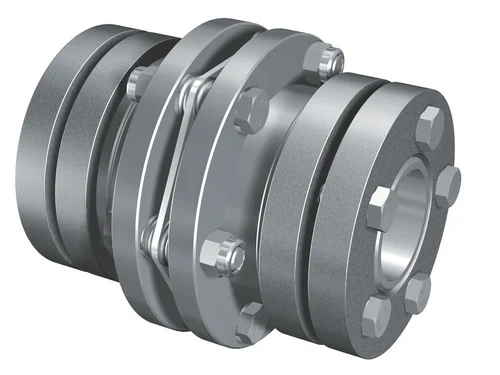
Can flexible couplings be used in power generation equipment, such as turbines and generators?
Yes, flexible couplings are commonly used in power generation equipment, including turbines and generators. These critical components of power generation systems require reliable and efficient shaft connections to transfer power from the prime mover (e.g., steam turbine, gas turbine, or internal combustion engine) to the electricity generator.
Flexible couplings play a vital role in power generation equipment for the following reasons:
- Misalignment Compensation: Power generation machinery often experiences misalignment due to factors like thermal expansion, settling, and foundation shifts. Flexible couplings can accommodate these misalignments, reducing the stress on shafts and minimizing wear on connected components.
- Vibration Dampening: Turbines and generators can generate significant vibrations during operation. Flexible couplings help dampen these vibrations, reducing the risk of resonance and excessive mechanical stress on the system.
- Torsional Shock Absorption: Power generation equipment may encounter torsional shocks during startup and shutdown processes. Flexible couplings can absorb and dissipate these shocks, protecting the entire drivetrain from damage.
- Isolation of High Torque Loads: Some power generation systems may have torque fluctuations during operation. Flexible couplings can isolate these fluctuations, preventing them from propagating to other components.
- Electrical Isolation: In certain cases, flexible couplings with non-metallic elements can provide electrical isolation, preventing the transmission of electrical currents between shafts.
Power generation applications impose specific requirements on flexible couplings, such as high torque capacity, robust construction, and resistance to environmental factors like temperature and humidity. Different types of flexible couplings, including elastomeric, metallic, and composite couplings, are available to meet the varying demands of power generation equipment.
When selecting a flexible coupling for power generation equipment, engineers must consider factors such as the type of prime mover, torque and speed requirements, operating conditions, and the specific application’s environmental challenges. Consulting with coupling manufacturers and following their engineering recommendations can help ensure the appropriate coupling is chosen for each power generation system.
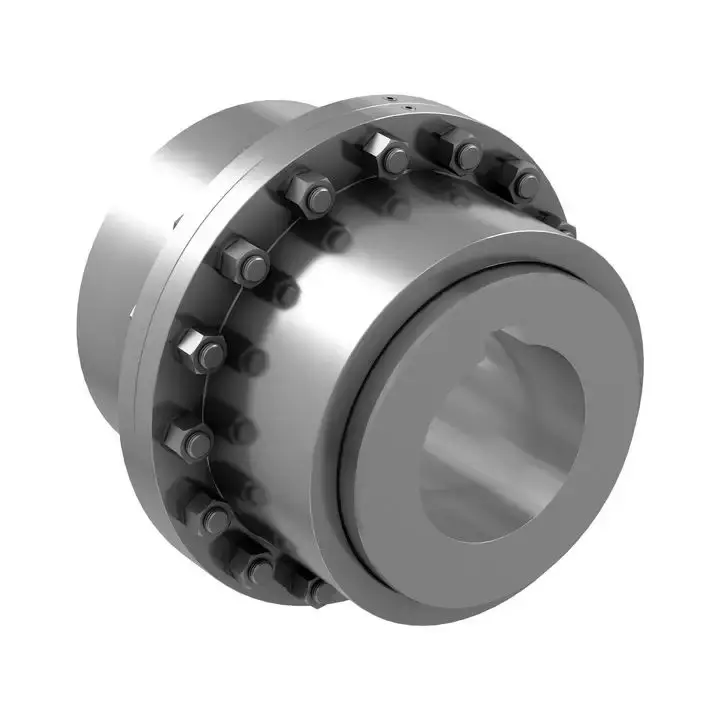
What materials are commonly used in manufacturing flexible couplings?
Flexible couplings are manufactured using a variety of materials, each offering different properties and characteristics suited for specific applications. The choice of material depends on factors such as the application’s requirements, environmental conditions, torque capacity, and desired flexibility. Here are some of the commonly used materials in manufacturing flexible couplings:
- Steel: Steel is a widely used material in flexible couplings due to its strength, durability, and excellent torque transmission capabilities. Steel couplings are suitable for heavy-duty industrial applications with high torque requirements and harsh operating conditions.
- Stainless Steel: Stainless steel is often used to manufacture flexible couplings in environments with high corrosion potential. Stainless steel couplings offer excellent resistance to rust and other corrosive elements, making them ideal for marine, food processing, and chemical industry applications.
- Aluminum: Aluminum couplings are lightweight, have low inertia, and provide excellent balance. They are commonly used in applications where reducing weight is critical, such as aerospace and robotics.
- Brass: Brass couplings are known for their electrical conductivity and are used in applications where electrical grounding or electrical isolation is required, such as in certain industrial machinery or electronics equipment.
- Cast Iron: Cast iron couplings offer good strength and durability and are often used in industrial applications where resistance to shock loads and vibrations is necessary.
- Plastic/Polymer: Some flexible couplings use high-performance polymers or plastics, such as polyurethane or nylon. These materials provide good flexibility, low friction, and resistance to chemicals. Plastic couplings are suitable for applications where corrosion resistance and lightweight are essential.
- Elastomers: Elastomers are used as the flexible elements in many flexible couplings. Materials like natural rubber, neoprene, or urethane are commonly used as elastomer spider elements, providing flexibility and vibration damping properties.
The selection of the coupling material depends on the specific needs of the application. For instance, high-performance and heavy-duty applications may require steel or stainless steel couplings for their robustness, while applications where weight reduction is crucial may benefit from aluminum or polymer couplings. Additionally, the choice of material is influenced by factors such as temperature range, chemical exposure, and electrical requirements in the application’s operating environment.
Manufacturers typically provide material specifications for their couplings, helping users make informed decisions based on the specific demands of their applications.


editor by CX 2023-12-13