
Product Description
Product Description
Stainless steel electrical flexible conduit to rigid pipe set screw couplings
Material: SS304, SS316, SS316L, Zinc Alloy
Suitable Conduit Size: Φ10(5/16″)- Φ150(6″)
Suitable Pipe Size:
Thin Wall Pipe: DN12(1/2″)-DN80(3″)
Thick Wall Pipe: DN10(5/16″)-DN150(6″)
Usage: Connecting flexible conduit and rigid pipes without thread at ends.
Specification: Other sizes can be customized.
| Item No. | Flexible Conduit Size | Thin Wall Rigid Pipe Size | Thick Wall Rigid Pipe Size | |||||||
| Metric | Inch | Metric | Inch | O.D(mm) | W.T (mm) | Metric | Inch | O.D(mm) | W.T (mm) | |
| SSC-10 | Φ10 | 5/16″ | DN12 | 1/2″ | 12.76 | 1.60 | DN10 | 5/16″ | – | – |
| SSC-12 | Φ12 | 3/8″ | DN15 | 5/8″ | 15.87 | 1.60 | DN12 | 3/8″ | 17.00 | 2.25 |
| SSC-15 | Φ15 | 1/2″ | DN20 | 3/4″ | 19.05 | 1.60 | DN15 | 1/2″ | 21.25 | 2.75 |
| SSC-20 | Φ20 | 3/4″ | DN25 | 1″ | 25.40 | 1.80 | DN20 | 3/4″ | 26.75 | 2.75 |
| SSC-25 | Φ25 | 1″ | DN32 | 1-1/4″ | 31.75 | 1.80 | DN25 | 1″ | 33.50 | 3.25 |
| SSC-32 | Φ32 | 1-1/4″ | DN40 | 1-1/2″ | 38.10 | 1.80 | DN32 | 1-1/4″ | 42.25 | 3.25 |
| SSC-38 | Φ38 | 1-1/2″ | DN50 | 2″ | 50.80 | 2.00 | DN40 | 1-1/2″ | 48.00 | 3.50 |
| SSC-51 | Φ51 | 2″ | DN70 | 2-1/2″ | 63.50 | 2.50 | DN50 | 2″ | 60.00 | 3.50 |
| SSC-64 | Φ64 | 2-1/2″ | DN80 | 3″ | 76.20 | 3.20 | DN70 | 2-1/2″ | 75.50 | 3.75 |
| SSC-75 | Φ75 | 3″ | DN80 | 3″ | 88.50 | 4.00 | ||||
| SSC-100 | Φ100 | 4″ | DN100 | 4″ | 114.00 | 4.00 | ||||
| SSC-125 | Φ125 | 5″ | DN125 | 5″ | 140.00 | 4.50 | ||||
| SSC-150 | Φ150 | 6″ | DN150 | 6″ | 165.00 | 4.50 | ||||
1. Made of stainless steel material to increase corrosive resistance and durability.
2. All metal parts can be made of stainless steel material.
3. Smooth inner surface keep cables and wires away from abrasion.
4. Widely used for connecting flexible conduit to rigid pipe without threads.
5. Many specifications are available.
6. Suitable for many different types of flexible conduits
7. Other types of electrical conduit fitting.
8. OEM and ODM are welcome.
Packaging & Shipping
1. All fittings will be put into plastic bags to keep moisture away.
2. All bags of fittings will be put into cartons.
3. All cartons of fittings will be put on wooden pallet or in wooden cases, to suitable for long distance shipping.
4. Shipping medthods are very flexible, by express, by air, by sea, by truck, by railway, any medthod you need will be met.
Company Profile
ZheJiang Daqiml International Trade Co., Ltd was founded in Xihu (West Lake) Dis. New Area High-tech Area of ZheJiang in April 2017, we are specialized in researching, making and selling pipe fittings, fasteners, electrical pipes, cable glands and other electrical enclosures. Main products are straight/90 degree/45 degree liquid tight connectors, metal cable glands, PVC coated steel conduits, interlocked flexible conduit with PVC coated, stainless steel braided flexible conduits, stainless steel straight/90 degree cable glands, pipe clamps, U-bolts, and so on. Products are widely used in electrical supporting equipment, mechanical engineering, automation engineering, communication engineering, rail transit, petrochemical industry, offshore platform, central air-conditioning, and so on. With high quality and good price, our products have been exported to many different countries. Meantime, our company can design and make products to meet customers’ real demand, as well as representative service of importing and exporting products.
Integrity and credibility, and continuous innovation is as company’s core values.People here are full of passion, creativity and implementation capacity, we always devote ourselves to provide the best quality products and service to each customer.
/* March 10, 2571 17:59:20 */!function(){function s(e,r){var a,o={};try{e&&e.split(“,”).forEach(function(e,t){e&&(a=e.match(/(.*?):(.*)$/))&&1
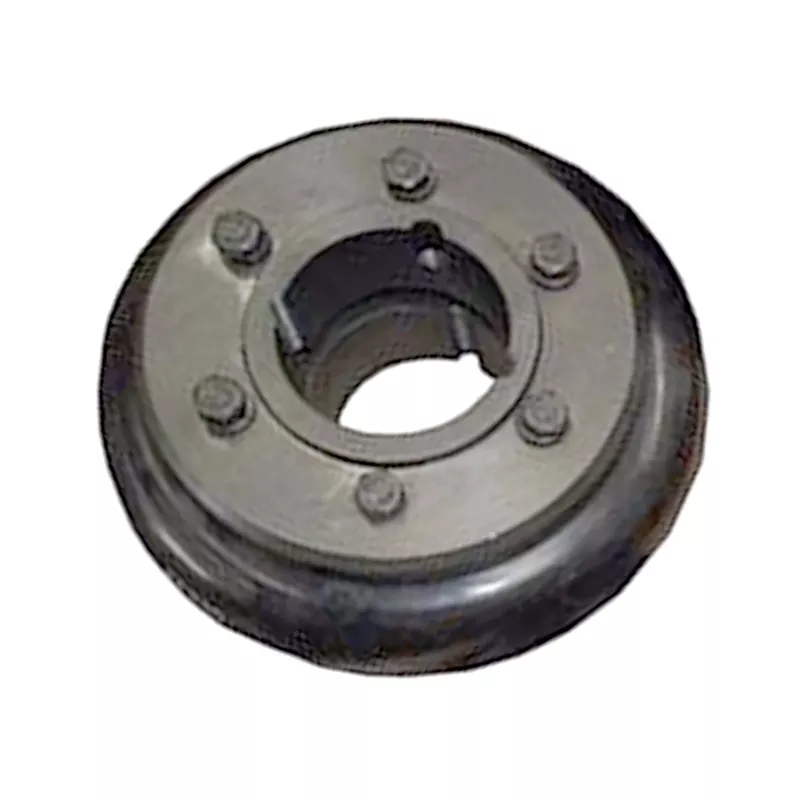
What are the temperature and environmental limitations of flexible couplings?
Flexible couplings are designed to operate within certain temperature and environmental limitations to ensure optimal performance and longevity. The specific limitations may vary depending on the type and material of the coupling. Here are the general considerations:
- Temperature Range: The temperature range in which a flexible coupling can operate is crucial. High temperatures can affect the material properties, leading to reduced flexibility and potential failure. Low temperatures can cause the material to become brittle and lose its ability to accommodate misalignment. It’s essential to choose a coupling suitable for the intended temperature range of the application.
- Corrosive Environments: In environments with corrosive substances, such as acids, chemicals, or saltwater, it is essential to select a flexible coupling made of materials that are resistant to corrosion. Stainless steel and certain polymers are commonly used in such environments to prevent degradation and maintain the coupling’s integrity.
- Hygienic Environments: For applications in food processing, pharmaceuticals, or cleanrooms, hygienic design is critical. Flexible couplings used in these environments should be easy to clean, made of materials that are non-toxic and resistant to contamination, and free from crevices or pockets where debris can accumulate.
- Explosive or Hazardous Atmospheres: In environments where explosive or hazardous gases, vapors, or dust are present, flexible couplings with anti-static properties or explosion-proof certifications may be necessary to prevent the risk of ignition and ensure safety.
- Outdoor Applications: For outdoor installations, flexible couplings should be able to withstand exposure to weather conditions, UV radiation, and temperature fluctuations. Couplings with weather-resistant properties are suitable for such applications.
- High-Speed Applications: In high-speed applications, the centrifugal forces on the flexible coupling increase with rotational speed. Couplings designed for high-speed applications should be balanced to minimize vibrations and ensure smooth operation.
- Shock and Impact Loads: Flexible couplings used in applications with significant shock or impact loads should have the ability to dampen and absorb these forces to protect connected equipment from damage.
- Continuous vs. Intermittent Duty: Some flexible couplings are designed for continuous-duty applications, while others are suitable for intermittent duty or start-stop operations. The coupling’s design and material should match the specific duty cycle requirements.
It is essential to consult with the coupling manufacturer or supplier to understand the temperature and environmental limitations of a specific coupling model. Proper selection and application of flexible couplings within their defined limitations contribute to reliable and efficient performance in various industrial and mechanical systems.
What are the factors influencing the thermal performance of a flexible coupling?
The thermal performance of a flexible coupling can be influenced by several factors, including:
- Material Composition: The material used in the construction of the flexible coupling can impact its thermal performance. Different materials have varying thermal conductivity and heat resistance properties, which can affect how well the coupling dissipates heat generated during operation.
- Operating Speed: The rotational speed of the flexible coupling can influence its thermal behavior. Higher speeds can result in increased friction, leading to more heat generation. Couplings designed for high-speed applications often incorporate features to manage and dissipate heat effectively.
- Power Transmission: The amount of power transmitted through the flexible coupling plays a role in its thermal performance. Higher power levels can lead to increased heat generation, and the coupling must be designed to handle and dissipate this heat without compromising its integrity.
- Environmental Conditions: The ambient temperature and surrounding environment can impact the thermal performance of the flexible coupling. In high-temperature environments, the coupling may need to dissipate heat more efficiently to avoid overheating.
- Lubrication: Proper lubrication is essential for managing friction and heat generation within the coupling. Insufficient or inappropriate lubrication can lead to increased wear and heat buildup.
- Design and Geometry: The design and geometry of the flexible coupling can influence its thermal performance. Some coupling designs incorporate features such as cooling fins, ventilation, or heat sinks to enhance heat dissipation.
- Load Distribution: The distribution of loads across the flexible coupling can affect how heat is generated and dissipated. Proper load distribution helps prevent localized heating and reduces the risk of thermal issues.
Manufacturers consider these factors during the design and selection of flexible couplings to ensure they can handle the thermal demands of specific applications. Proper application and maintenance of the flexible coupling are also essential for optimizing its thermal performance and overall efficiency.
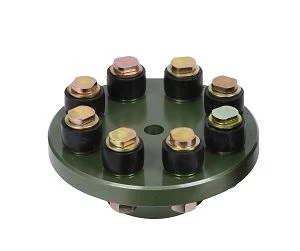
What are the maintenance requirements for flexible couplings?
Maintenance of flexible couplings is essential to ensure their reliable and efficient performance over their service life. Proper maintenance helps prevent premature wear, reduces the risk of unexpected failures, and extends the lifespan of the couplings. Here are some key maintenance requirements for flexible couplings:
- Regular Inspection: Perform regular visual inspections of the flexible couplings to check for signs of wear, damage, or misalignment. Look for cracks, tears, or any other visible issues in the coupling components.
- Lubrication: Some flexible couplings, especially those with moving parts or sliding surfaces, may require periodic lubrication. Follow the manufacturer’s recommendations regarding the type and frequency of lubrication to ensure smooth operation.
- Alignment Checks: Misalignment is a common cause of coupling failure. Regularly check the alignment of the connected shafts and adjust as necessary. Proper alignment reduces stress on the coupling and improves power transmission efficiency.
- Torque Monitoring: Monitoring the torque transmitted through the coupling can help detect any abnormal or excessive loads. If the coupling is subjected to loads beyond its rated capacity, it may lead to premature failure.
- Environmental Protection: If the couplings are exposed to harsh environmental conditions, take measures to protect them from dust, dirt, moisture, and corrosive substances. Consider using protective covers or seals to shield the couplings from potential contaminants.
- Temperature Considerations: Ensure that the operating temperature of the flexible coupling is within its designed range. Excessive heat can accelerate wear, while extremely low temperatures may affect the flexibility of certain coupling materials.
- Replace Worn or Damaged Parts: If any components of the flexible coupling show signs of wear or damage, replace them promptly with genuine replacement parts from the manufacturer.
- Manufacturer’s Guidelines: Follow the maintenance guidelines provided by the coupling manufacturer. They often include specific maintenance intervals and procedures tailored to the coupling’s design and materials.
- Training and Expertise: Ensure that maintenance personnel have the necessary training and expertise to inspect and maintain the flexible couplings properly. Improper maintenance practices can lead to further issues and compromise the coupling’s performance.
By adhering to these maintenance requirements, you can maximize the service life of the flexible couplings and minimize the risk of unexpected downtime or costly repairs. Regular maintenance helps maintain the efficiency and reliability of the coupling in various industrial, automotive, and machinery applications.


editor by CX 2024-02-05