
Product Description
Galvanized flexible conduit fittings EMT Conduit to Flexible Conduit Connector combination coupling
Description
Galvanized flexible conduit fittings EMT Conduit to Flexible Conduit Connector combination coupling
| Product Name | Galvanized flexible conduit fittings EMT Conduit to Flexible Conduit Connector combination coupling |
| Place of origin | China |
| Material | zinc die cast |
| Size | 1/2″-4″ |
| Function | Use to connecto flexible conduit to box |
Specifications
Galvanized flexible conduit fittings EMT Conduit to Flexible Conduit Connector combination coupling
| CAT# | Size |
| SSC-050 | 1/2″ |
| SSC-075 | 3/4″ |
| SSC-100 | 1″ |
| SSC-125 | 11/4″ |
| SSC-150 | 11/2″ |
| SSC-200 | 2″ |
| SSC-250 | 21/2″ |
| SSC-300 | 3″ |
| SSC-400 | 4″ |
Application :
To connector the galvanized flexible conduit to box
Flexible conduit and fittings
Galvanized flexible conduit fittings EMT Conduit to Flexible Conduit Connector combination coupling
Packing
Galvanized flexible conduit fittings EMT Conduit to Flexible Conduit Connector combination coupling
Company profile
FAQ
Q1: Are you a trading company or manufacturing company?
A: Both we are, we have 2 production bases and about 10 sourcing factory to meet customer whole line items demand .
Q2:When can I get the quotation?
A1:For regular items within 24 hours; For sprcial items or customize items need a little more time .
Q3: How can I request product samples?
A: The samples are free but courier charge will be collected. Please send us samples list and courier account number.
Q4: How can I request a product catalog?
A: Pls send us your email and we will send you our e catalog ( pdf file ).
The PDF catalog we can send to you by email or WeTransfer.
Q5: What is your payment terms?
A:Normally 30% T/T deposit,balance against B/L copy;
the other is irrevocable L/C 100% at sight.
Q6: How about the delivery time?
A: Accord to your order list and quantity,mostly delivery in 30days.
Q7: How do we control the products’ quality?
A: 1. high quality mold
2. raw materials control
3. production process quality control
4. final inspection
5. water testing (no leaking)
Why choose us?
1. We are China professional supply of Electrical Pipe,Strut Channel and Fittings.
2. 100% QC inspection before Shipment.
3. Best Quality & Best Service with Competitive price.Focused on Electrical Metallic conduits, fittings, C channels, and power bridge systems since 2016. Our main products are EMT, IMC, RSC steel conduits, aluminum conduits, stainless steel conduits, and fittings. C channel, Electrical junction box, flexible conduit, etc.
4.Our products widely exporting to many countries, such as the USA, Canada, Italy, Middle East, South Asian, etc. With our good quality and reputation. Warmly welcome all customers and friends to contact and cooperate with us.
5. OEM : To bring you with better profits, we can also pack the products with your own brand to avoid the direct price competition.
Our service
1. 24 hours prompt reply by email
2. Other thickness & size also available on request
3. Free samples for your reference
4. Flexible trade term and payment term
5. Excellent after-sale service
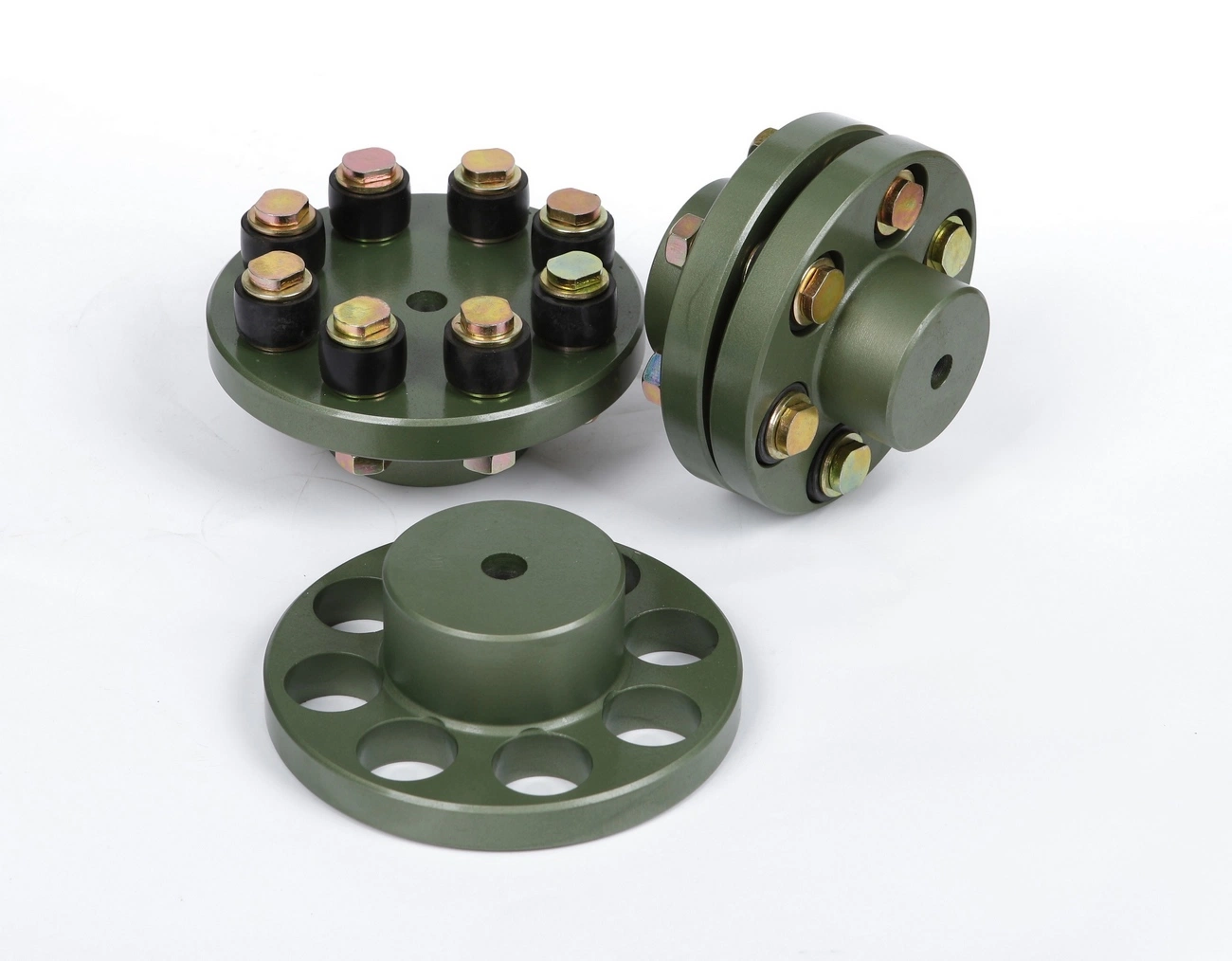
Can flexible couplings be used in food processing and pharmaceutical industries?
Yes, flexible couplings can be used in both the food processing and pharmaceutical industries under certain conditions. These industries have stringent requirements for equipment used in their processes, including hygienic design, cleanliness, and resistance to contamination. Here’s how flexible couplings can be used in these industries:
- Hygienic Design: In food processing and pharmaceutical applications, flexible couplings with hygienic designs are essential to prevent the accumulation of food particles, dust, or other contaminants. Stainless steel or FDA-approved materials are commonly used to ensure compliance with hygiene standards and ease of cleaning.
- Cleanability: The equipment used in food processing and pharmaceutical industries must be easily cleanable to maintain product purity. Flexible couplings with smooth surfaces and no crevices or pockets that can trap particles are preferred.
- Chemical Resistance: Some food processing and pharmaceutical applications involve the use of cleaning agents or chemicals. Flexible couplings must be resistant to these chemicals to prevent degradation and ensure long-term reliability.
- Corrosion Resistance: In food processing and pharmaceutical environments, equipment is often exposed to washdowns and sanitizing solutions. Flexible couplings made of corrosion-resistant materials can withstand these conditions and maintain their performance over time.
- Compliance with Standards: The food processing and pharmaceutical industries are subject to strict regulations and standards. Flexible couplings used in these industries should comply with relevant industry standards, such as FDA, EHEDG, or NSF standards.
- Non-Toxic Materials: Flexible couplings used in direct contact with food or pharmaceutical products must be made of non-toxic materials that will not contaminate the process.
- Resistant to Temperature Extremes: Some food and pharmaceutical processes involve extreme temperatures. Flexible couplings must be capable of withstanding high and low temperatures without compromising their integrity.
When selecting flexible couplings for food processing and pharmaceutical applications, it is essential to work closely with manufacturers and suppliers who understand the industry’s unique requirements. Customized solutions may be necessary to ensure that the couplings meet the specific needs of the application and comply with industry standards.
Summary: Flexible couplings can be used in food processing and pharmaceutical industries when they meet the necessary hygiene, cleanability, chemical resistance, corrosion resistance, compliance with standards, and temperature resistance requirements. Proper selection and application of flexible couplings can contribute to the efficiency and reliability of equipment in these critical industries.
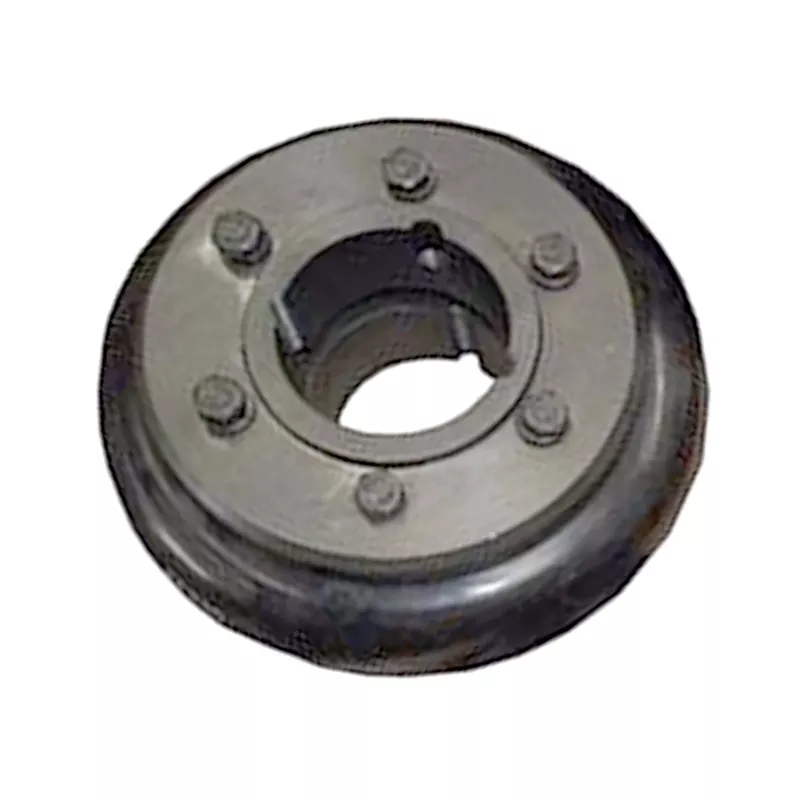
What are the factors influencing the thermal performance of a flexible coupling?
The thermal performance of a flexible coupling can be influenced by several factors, including:
- Material Composition: The material used in the construction of the flexible coupling can impact its thermal performance. Different materials have varying thermal conductivity and heat resistance properties, which can affect how well the coupling dissipates heat generated during operation.
- Operating Speed: The rotational speed of the flexible coupling can influence its thermal behavior. Higher speeds can result in increased friction, leading to more heat generation. Couplings designed for high-speed applications often incorporate features to manage and dissipate heat effectively.
- Power Transmission: The amount of power transmitted through the flexible coupling plays a role in its thermal performance. Higher power levels can lead to increased heat generation, and the coupling must be designed to handle and dissipate this heat without compromising its integrity.
- Environmental Conditions: The ambient temperature and surrounding environment can impact the thermal performance of the flexible coupling. In high-temperature environments, the coupling may need to dissipate heat more efficiently to avoid overheating.
- Lubrication: Proper lubrication is essential for managing friction and heat generation within the coupling. Insufficient or inappropriate lubrication can lead to increased wear and heat buildup.
- Design and Geometry: The design and geometry of the flexible coupling can influence its thermal performance. Some coupling designs incorporate features such as cooling fins, ventilation, or heat sinks to enhance heat dissipation.
- Load Distribution: The distribution of loads across the flexible coupling can affect how heat is generated and dissipated. Proper load distribution helps prevent localized heating and reduces the risk of thermal issues.
Manufacturers consider these factors during the design and selection of flexible couplings to ensure they can handle the thermal demands of specific applications. Proper application and maintenance of the flexible coupling are also essential for optimizing its thermal performance and overall efficiency.
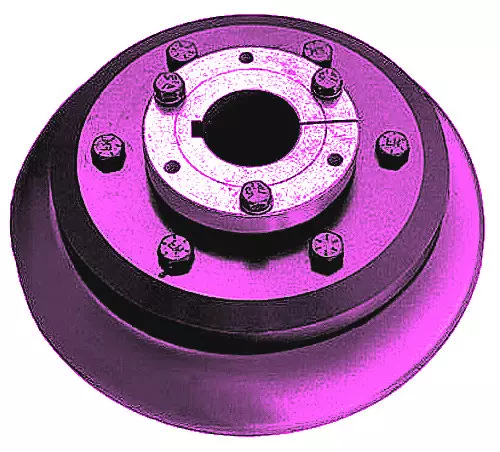
Can flexible couplings be used in corrosive or harsh environments?
Yes, flexible couplings can be designed and selected to be used in corrosive or harsh environments. The choice of materials and coatings plays a crucial role in ensuring the coupling’s durability and performance under challenging conditions.
Corrosion-Resistant Materials:
In corrosive environments, it is essential to use materials that can withstand chemical attacks and oxidation. Stainless steel, specifically grades like 316 or 17-4 PH, is commonly chosen for flexible couplings in such situations. Stainless steel offers excellent corrosion resistance, making it suitable for applications where the coupling may come into contact with corrosive substances or moisture.
Special Coatings:
For certain harsh environments, coupling manufacturers may apply special coatings to enhance the coupling’s corrosion resistance. Examples of coatings include zinc plating, nickel plating, or epoxy coatings. These coatings provide an additional layer of protection against corrosive agents and help extend the coupling’s lifespan.
Sealed Designs:
In environments where the coupling is exposed to contaminants like dust, dirt, or moisture, sealed designs are preferred. Sealed flexible couplings prevent these substances from entering the coupling’s internal components, thus reducing the risk of corrosion and wear. The sealed design also helps to maintain the coupling’s performance over time in challenging conditions.
High-Temperature Applications:
For harsh environments with high temperatures, flexible couplings made from high-temperature resistant materials, such as certain heat-resistant stainless steels or superalloys, can be used. These materials retain their mechanical properties and corrosion resistance even at elevated temperatures.
Chemical Resistance:
For applications where the coupling might encounter chemicals or solvents, it is essential to select a coupling material that is chemically resistant. This prevents degradation and ensures the coupling’s integrity in such environments.
Specialized Designs:
In some cases, where the environment is exceptionally harsh or unique, custom-designed flexible couplings may be necessary. Engineering a coupling to meet the specific demands of the environment ensures optimal performance and reliability.
Consultation with Manufacturers:
When considering flexible couplings for corrosive or harsh environments, it is advisable to consult with coupling manufacturers or engineering experts. They can provide valuable insights and recommend suitable materials, coatings, and designs based on the specific operating conditions.
Summary:
Flexible couplings can indeed be used in corrosive or harsh environments, provided the appropriate materials, coatings, and designs are chosen. Stainless steel, sealed designs, and special coatings are some of the solutions that enhance the coupling’s corrosion resistance and performance. It is essential to consider the specific environment and application requirements when selecting a flexible coupling to ensure optimal functionality and durability in challenging conditions.


editor by CX 2023-09-30