
Product Description
4 colors choice: Red ,Orange ,Blue ,Galvanized Of Rigid Coupling,galvanized pipe fitting
ductile iron rigid coupling / fire fitting coupling / grooved fittings
1.FM UL approved of All Grooved Coupling
2.Size:1-12″ for all grooved fitting
3.Grooved Coupling Material:ductile iron ASTM-A536 Grade 65-45-12
4.Grooved Coupling Surface :painting,epoxy,hot dip galvanzed
5.Gasket for Grooved Coupling :
EDPM , tempersture Range : (-34—-+110ºC)
SILICON , tempersture Range : (-40—-+177ºC)
NITRILE, tempersture Range : (-29—-+82ºC)
Ductile flexible coupling ,ductile iron flexible coupling / fire fighting /grooved fittings,Rigid coupling
| UL FM Flexbile Coupling | |||||
| Nominal Size mm/in | Pipe O.D mm/in | Working Pressure PSI/MPa | Dimensions mm/in | ||
| Ø | L | H | |||
| 25 1 |
33.7 1.327 |
300 2.07 |
55. 2.165 |
95 3.74 |
45 1.772 |
| 32 1¼ |
42.4 1.669 |
300 2.07 |
65 2.559 |
105 4.133 |
45 1.772 |
| 40 1½ |
48.3 1.900 |
300 2.07 |
71. 2.795 |
110 4.331 | 45 1.772 |
| 50 2 |
60.3 2.375 |
300 2.07 |
82 3.228 |
124 4.882 |
45 1.772 |
| 65 2½ |
73.0 2.875 |
300 2.07 |
98 3.858 |
141 5.551 |
45 1.772 |
| 65 3OD |
76.1 3.000 |
300 2.07 |
100 3.937 |
142 5.59 |
45 1.772 |
| 80 3 |
88.9 3.500 |
300 2.07 |
113 4.449 |
160 6.299 |
46 1.811 |
| 100 4 |
114.3 4.500 |
300 2.07 |
142 5.59 |
190 7.48 |
49 1.929 |
| 125 5.5OD |
139.7 5.500 |
300 2.07 |
168 6.614 |
218 8.583 |
49 1.929 |
| 150 6.5OD |
165.1 6.500 |
300 2.07 |
194 7.638 |
244 9.606 |
49 1.929 |
| 150 6 |
168.3 6.625 | 300 2.07 |
198 7.795 |
248 9.764 |
49 1.929 |
| 200 8 |
219.1 8.625 |
300 2.07 |
256. 10.079 |
320 12.598 |
60 2.362 |
| 250 10 |
273 10.748 |
300 2.07 |
328 12.913 |
420 16.535 |
64 2.52 |
| 300 12 |
323.9 12.752 |
300 2.07 |
380 14.961 |
454 17.874 |
64 2.52 |
DETAILS
| Name | Rigid and flexible Coupling, elbow, tee, cross, reducer, cap, mechanical tee, mechanical cross, flange adaptor |
| Standard | ANSI, ASTM, ISO |
| Type | Manufacturer,trading company |
| Material | Ductile iron |
| Finish | Paint, Epoxy or Galvanization |
| Approval | FM/UL |
| Usage | 1) Automatic sprinkler system for fire protection on commercial, civil and municipal constructions like water supplying, gas supplying, heat supplying, etc. 2) Industrial pipeline system on shipping, mine, oil field, textile, powder plant, etc. 3) Pipeline system on subway station, railway station, airport, seaport, bridge, etc. |
KINGMETAL STEEL INDUSTRY CO.,LTD ,is a professional company in manufacturing and saling steel pipes and pipe fittings
( tee, elbow ,reducer ,flanges). we are an old company in this area ,we start from 1989 and have rich exporting experience .
Cooperating with us you will feel easy and safe !
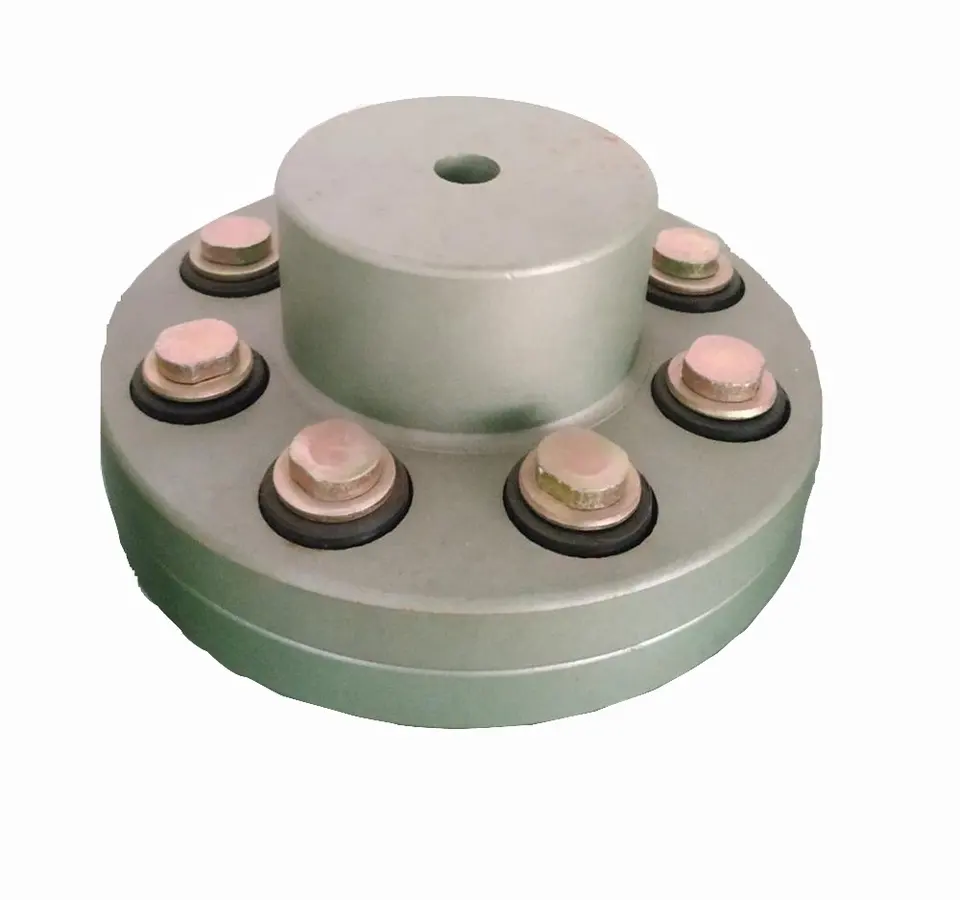
Can flexible couplings be used in heavy-duty applications such as mining and construction?
Yes, flexible couplings can be used in heavy-duty applications such as mining and construction, where the equipment operates under challenging conditions and encounters high loads, vibrations, and misalignments. Flexible couplings offer several advantages that make them suitable for these demanding environments:
- Misalignment Compensation: Heavy-duty equipment in mining and construction may experience misalignment due to the rough terrain, uneven surfaces, or heavy loads. Flexible couplings can handle both angular and parallel misalignment, ensuring smooth power transmission even in these adverse conditions.
- Shock and Vibration Absorption: Mining and construction operations often involve high-impact loads and vibrations. Flexible couplings can dampen and absorb these shocks, protecting the connected components from damage and reducing wear and tear on the equipment.
- Torsional Stiffness: While flexible couplings are designed to accommodate misalignment, they still maintain a certain level of torsional stiffness to transmit torque efficiently. This is crucial in heavy-duty applications, where high torque is required to drive the machinery.
- Corrosion and Contamination Resistance: In mining and construction environments, equipment may be exposed to dust, dirt, water, and chemicals. Flexible couplings made from corrosion-resistant materials can withstand these harsh conditions, ensuring reliable performance and longevity.
- High Torque Transmission: Heavy-duty machinery often requires high torque transmission between the driving and driven components. Flexible couplings are capable of transmitting high torque efficiently, which is essential for the operation of large-scale equipment.
- Reduced Downtime: The robustness and reliability of flexible couplings in heavy-duty applications contribute to reduced downtime. By minimizing the impact of misalignment, shocks, and vibrations, flexible couplings help prevent unexpected breakdowns and maintenance issues.
When selecting a flexible coupling for heavy-duty applications, it’s important to consider the specific requirements of the machinery and the operating conditions. Factors such as the type of equipment, torque and speed requirements, environmental conditions, and expected loads should be taken into account.
Overall, flexible couplings are a versatile solution for power transmission in heavy-duty applications, providing the necessary flexibility, durability, and performance to withstand the challenges posed by the mining and construction industries.
What are the challenges of using flexible couplings in heavy-duty industrial machinery?
Using flexible couplings in heavy-duty industrial machinery can offer numerous benefits, such as reducing shock loads, accommodating misalignment, and protecting connected equipment. However, there are several challenges that need to be addressed to ensure successful and reliable performance:
- Torsional Stiffness: Heavy-duty machinery often requires high torsional stiffness to maintain accurate rotational timing and prevent energy losses. Selecting a flexible coupling with the appropriate level of torsional stiffness is crucial to avoid excessive torsional deflection and maintain power transmission efficiency.
- High Torque and Speed: Heavy-duty machinery typically operates at high torque and speed levels. The flexible coupling must be capable of handling these intense loads without exceeding its torque or speed ratings, which could lead to premature failure.
- Alignment and Runout: Proper shaft alignment is critical for the reliable operation of flexible couplings in heavy-duty machinery. Misalignment can cause additional stresses and premature wear on the coupling and connected components. Achieving and maintaining precise alignment is essential to maximize coupling performance.
- Environmental Conditions: Heavy-duty industrial machinery often operates in harsh environments with exposure to dust, dirt, chemicals, and extreme temperatures. Flexible couplings must be constructed from durable and corrosion-resistant materials to withstand these conditions and maintain their functionality over time.
- Impact and Shock Loads: Some heavy-duty machinery may experience frequent impact and shock loads, which can lead to fatigue and failure in the flexible coupling. Choosing a coupling with high shock load capacity and fatigue resistance is vital to ensure longevity and reliability.
- Regular Maintenance: Heavy-duty machinery demands rigorous maintenance schedules to monitor the condition of flexible couplings and other components. Timely inspection and replacement of worn or damaged couplings are essential to prevent unexpected downtime and costly repairs.
- Coupling Selection: Properly selecting the right type of flexible coupling for the specific application is crucial. Different types of couplings offer varying levels of misalignment compensation, torque capacity, and environmental resistance. Choosing the wrong coupling type or size can lead to inefficiencies and premature failures.
Despite these challenges, using flexible couplings in heavy-duty industrial machinery can provide significant advantages. By carefully considering the application requirements, selecting high-quality couplings, and implementing regular maintenance protocols, engineers can overcome these challenges and enjoy the benefits of flexible couplings, including increased equipment lifespan, reduced maintenance costs, and improved overall system performance.
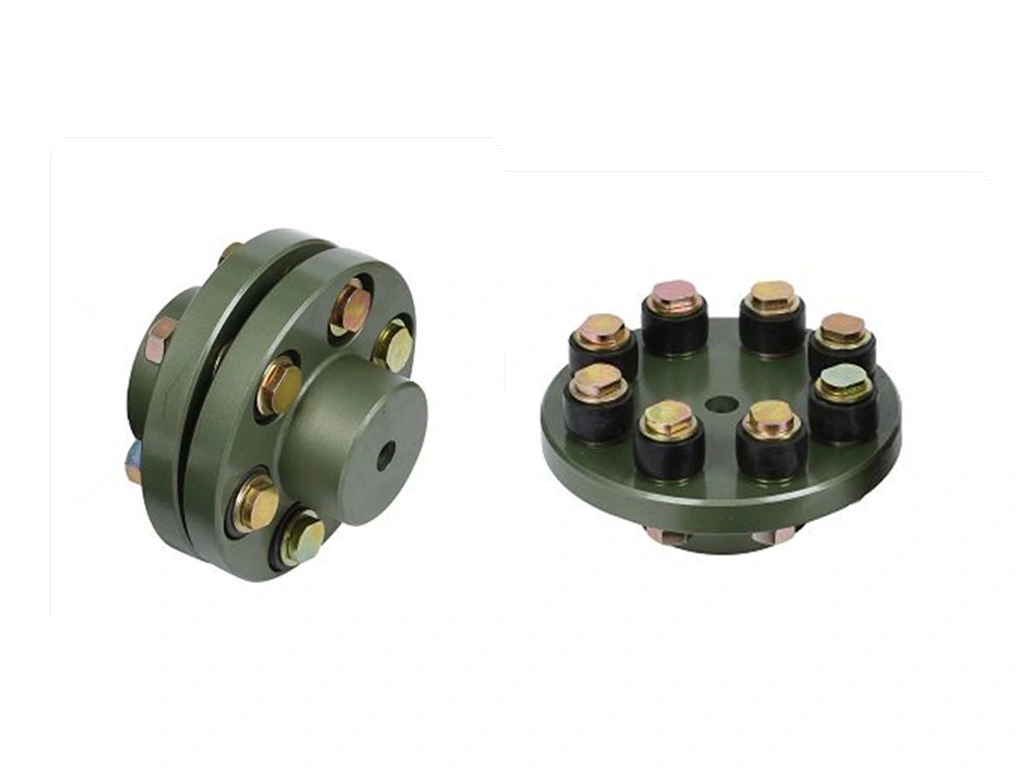
Can flexible couplings handle misalignment between shafts?
Yes, flexible couplings are specifically designed to handle misalignment between shafts in rotating machinery and mechanical systems. Misalignment can occur due to various factors, including installation errors, thermal expansion, manufacturing tolerances, or shaft deflection during operation.
Flexible couplings offer the ability to compensate for different types of misalignment, including:
- Angular Misalignment: When the shafts are not collinear and have an angular offset, flexible couplings can accommodate this misalignment by flexing or twisting, allowing the two shafts to remain connected while transmitting torque smoothly.
- Parallel Misalignment: Parallel misalignment occurs when the two shafts are not perfectly aligned along their axes. Flexible couplings can adjust to this misalignment, ensuring that the shafts remain connected and capable of transmitting power efficiently.
- Axial Misalignment: Axial misalignment, also known as end float or axial displacement, refers to the relative axial movement of the two shafts. Some flexible coupling designs can accommodate axial misalignment, allowing for slight axial movements without disengaging the coupling.
The ability of flexible couplings to handle misalignment is essential in preventing premature wear and failure of the connected equipment. By compensating for misalignment, flexible couplings reduce the stress on the shafts, bearings, and seals, extending the service life of these components and improving overall system reliability.
It is crucial to select the appropriate type of flexible coupling based on the specific misalignment requirements of the application. Different coupling designs offer varying degrees of misalignment compensation, and the choice depends on factors such as the magnitude and type of misalignment, the torque requirements, and the operating environment.
In summary, flexible couplings play a vital role in handling misalignment between shafts, ensuring efficient power transmission and protecting mechanical systems from the adverse effects of misalignment. Their ability to accommodate misalignment makes them indispensable components in various industrial, automotive, aerospace, and marine applications.


editor by CX 2023-09-18