
Product Description
Product:
Portable Air Compressor Special Solenoid Valve for Altas Copco
Coupling is a device that connects 2 shafts or shafts and rotating parts, rotates together in the process of transmitting motion and power, and does not disengage under normal circumstances. Sometimes it is also used as a safety device to prevent the connected parts from being subjected to excessive load, and plays the role of overload protection.
The composition of the coupling parts:
There are 2 types of couplings for screw air compressors: rubber pin type and flexible (diaphragm type) couplings.
1.The rubber pin coupling consists of 2 half couplings, flywheel, transmission core and screws. The rubber drive core of this type of coupling is easy to wear and wear, which will cause the machine to move unevenly, which will have adverse effects on the rotor, bearings, and shaft seals. At present, it is gradually replaced by flexible couplings.
2.The flexible coupling is composed of 2 half couplings, connecting barrels, transmission gaskets and screws. The 2 half-couplings of this coupling are tested for dynamic balance, and the relative positions are fixed during installation.
Product Photos:
| Coupling | Coupling |
| 1613949900 | 1613982300 |
| 1614873800 | 1613958500 |
| 165710800 | 165710800 |
| 162357100 | 1619646700 |
| 1615678500 | 165714700 |
| 1615682500 | 1604076100 |
| 1613982300 | 1626510900 |
The application of screw air compressors is mostly elastic coupling, which is an important part of the connection between the screw air compressor motor and the host. It has the following:
1.High torque rigidity and excellent sensitivity;
2.Maintenance-free, oil-resistant and corrosion-resistant;
3.The elastic action compensates radial, angular and axial deviations;
4.There are mainly 2 kinds of fixing methods: jacking wire and clamping;
5.The clockwise and counterclockwise rotation characteristics are exactly the same;
6.Zero backlash, can run synchronously;
7.There are aluminum alloy and stainless steel materials to choose from;
8.One-piece metal elastomer.
Coupling function:
It is used to connect 2 shafts together. The 2 shafts cannot be separated when the machine is running. The 2 shafts can be separated only after the machine is stopped and the connection is disassembled.
Types of Couplings:
The 2 shafts connected by the coupling, due to manufacturing and installation errors, deformation after bearing and the influence of temperature changes, etc., will cause changes in the relative positions of the 2 shafts, which often cannot guarantee strict alignment. According to whether the coupling has elastic elements, whether it has the ability to compensate for various relative displacements, that is, whether the coupling function can be maintained under the condition of relative displacement and the purpose of the coupling, the coupling can be divided into rigid couplings. Flexible couplings and safety couplings.
Coupling performance requirements:
1.Portability. The mobility of the coupling refers to the ability to compensate for the relative displacement of the 2 rotating components. Factors such as manufacturing and installation errors between connected components, temperature changes during operation, and deformation under load all place requirements on portability.
2.Buffering. For occasions where frequent load starts or working load changes, the coupling needs to have elastic elements for buffering and vibration damping to protect the prime mover and the working machine from being damaged or not damaged.
3.Safe, reliable, with sufficient strength and service life.
4.Simple structure, easy to assemble, disassemble and maintain.
Tips:
This is only a part of the part numbers, many oil separator filters P/N are not listed, in addition there are replacements filters for many other air compressor brands.
Company profile:
Filters are part of the air handling system and can provide the clean compressed air needed to remove oil and impurities. It can be used not only in pneumatic systems and pneumatic tools, but also in food, pharmaceutical and other industries.
Now over 100,000 quality filters including compressed air filters, Hydraulic Filters and complete filter housing assemblies at wholesale discounts. We offer OEM products as well as high quality replacements, engineered to precise OEM specifications and guaranteed to match the exact form, fit and function as the original equipment.
Our company is committed to continuous innovation and further improvement to create, improve the efficiency and productivity of excellence, to achieve the highest level of reliability and performance.
Coupling Valves:
Packing and Delivery :
F.A.Q
Q: What is the online order minimum?
A: Currently our online order minimum is 1 pcs.
Q: Do you sell parts for engine driven portable air compressors too?
A: No, at this time we only carry parts for electric motor driven stationary compressors.
Q: What brands do you carry parts for?
A: We handle replacement parts for every major air compressor manufacturer such as Atlas Copco, Compair, Gardner Denver, Ingersoll Rand, Kaeser, Quincy, Sullair, Worthington and many more. If you don’t see your brand listed, just give us a call and we’ll try to help locate your part.
Q: How long is your delivery time?
A: If there is stock, the lead time is about 2 working days after we get the payment. The specific delivery time depends on models and the quantity of your order.
Certifications:
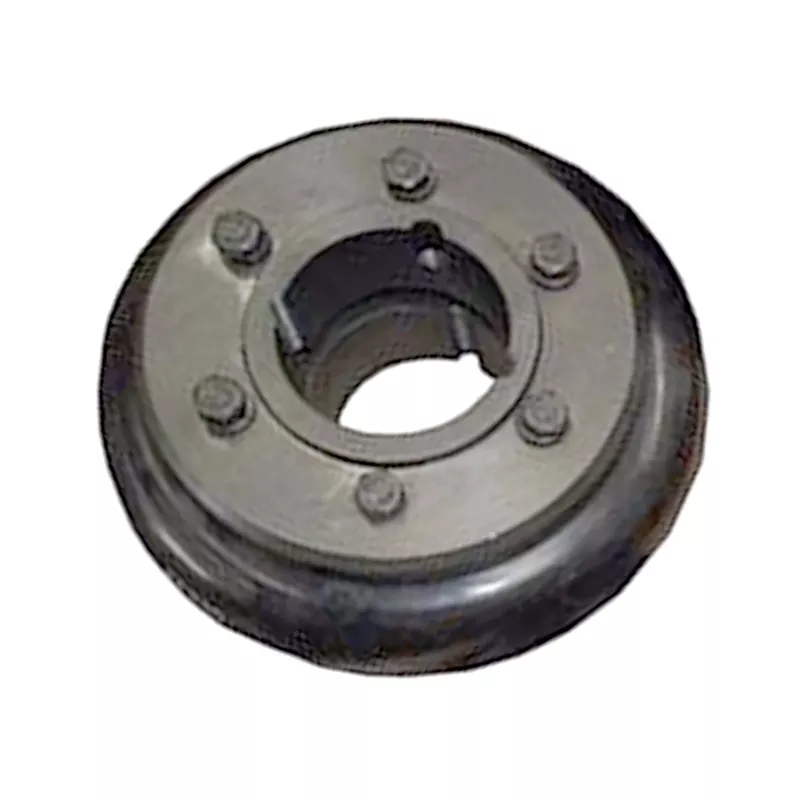
What are the temperature and environmental limitations of flexible couplings?
Flexible couplings are designed to operate within certain temperature and environmental limitations to ensure optimal performance and longevity. The specific limitations may vary depending on the type and material of the coupling. Here are the general considerations:
- Temperature Range: The temperature range in which a flexible coupling can operate is crucial. High temperatures can affect the material properties, leading to reduced flexibility and potential failure. Low temperatures can cause the material to become brittle and lose its ability to accommodate misalignment. It’s essential to choose a coupling suitable for the intended temperature range of the application.
- Corrosive Environments: In environments with corrosive substances, such as acids, chemicals, or saltwater, it is essential to select a flexible coupling made of materials that are resistant to corrosion. Stainless steel and certain polymers are commonly used in such environments to prevent degradation and maintain the coupling’s integrity.
- Hygienic Environments: For applications in food processing, pharmaceuticals, or cleanrooms, hygienic design is critical. Flexible couplings used in these environments should be easy to clean, made of materials that are non-toxic and resistant to contamination, and free from crevices or pockets where debris can accumulate.
- Explosive or Hazardous Atmospheres: In environments where explosive or hazardous gases, vapors, or dust are present, flexible couplings with anti-static properties or explosion-proof certifications may be necessary to prevent the risk of ignition and ensure safety.
- Outdoor Applications: For outdoor installations, flexible couplings should be able to withstand exposure to weather conditions, UV radiation, and temperature fluctuations. Couplings with weather-resistant properties are suitable for such applications.
- High-Speed Applications: In high-speed applications, the centrifugal forces on the flexible coupling increase with rotational speed. Couplings designed for high-speed applications should be balanced to minimize vibrations and ensure smooth operation.
- Shock and Impact Loads: Flexible couplings used in applications with significant shock or impact loads should have the ability to dampen and absorb these forces to protect connected equipment from damage.
- Continuous vs. Intermittent Duty: Some flexible couplings are designed for continuous-duty applications, while others are suitable for intermittent duty or start-stop operations. The coupling’s design and material should match the specific duty cycle requirements.
It is essential to consult with the coupling manufacturer or supplier to understand the temperature and environmental limitations of a specific coupling model. Proper selection and application of flexible couplings within their defined limitations contribute to reliable and efficient performance in various industrial and mechanical systems.
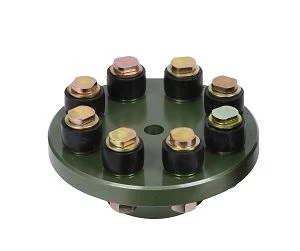
What are the differences between single and double flexible coupling designs?
Single and double flexible couplings are two common designs used for power transmission in various mechanical systems. Here are the main differences between the two:
- Design: The primary difference lies in their configuration. A single flexible coupling consists of one flexible element connecting two shafts, while a double flexible coupling, also known as a two-piece flexible coupling, uses two flexible elements with an intermediate shaft in between. The double flexible coupling resembles two single couplings connected in series.
- Torsional Flexibility: Single flexible couplings typically provide greater torsional flexibility than double flexible couplings. The presence of an intermediate shaft in the double coupling design adds some rigidity and reduces the overall torsional flexibility of the system.
- Compensation of Misalignment: Both single and double flexible couplings can compensate for angular and parallel misalignment between shafts. However, due to its additional flexible element, the double flexible coupling may have slightly better misalignment compensation capabilities.
- Length and Space: Single flexible couplings are generally shorter in length compared to double flexible couplings. The double flexible coupling’s design requires additional space to accommodate the intermediate shaft, making it longer than the single coupling.
- Shaft Separation: Single flexible couplings connect the two shafts directly without any intermediate components, while the double flexible coupling separates the shafts using an intermediate shaft. This shaft separation in the double design can be advantageous in certain applications.
- Stiffness: The double flexible coupling tends to be slightly stiffer than the single flexible coupling due to the presence of the intermediate shaft, which may affect its ability to absorb vibrations and shock loads.
- Application: Single flexible couplings are commonly used in various applications, including pumps, compressors, fans, and general power transmission systems. Double flexible couplings are often preferred in applications where a higher level of torsional stiffness is required, such as certain industrial machinery.
Both single and double flexible coupling designs have their advantages and are suitable for different types of machinery and power transmission requirements. The choice between the two depends on factors such as the specific application, the level of misalignment compensation needed, the available space, and the desired torsional flexibility for the system.
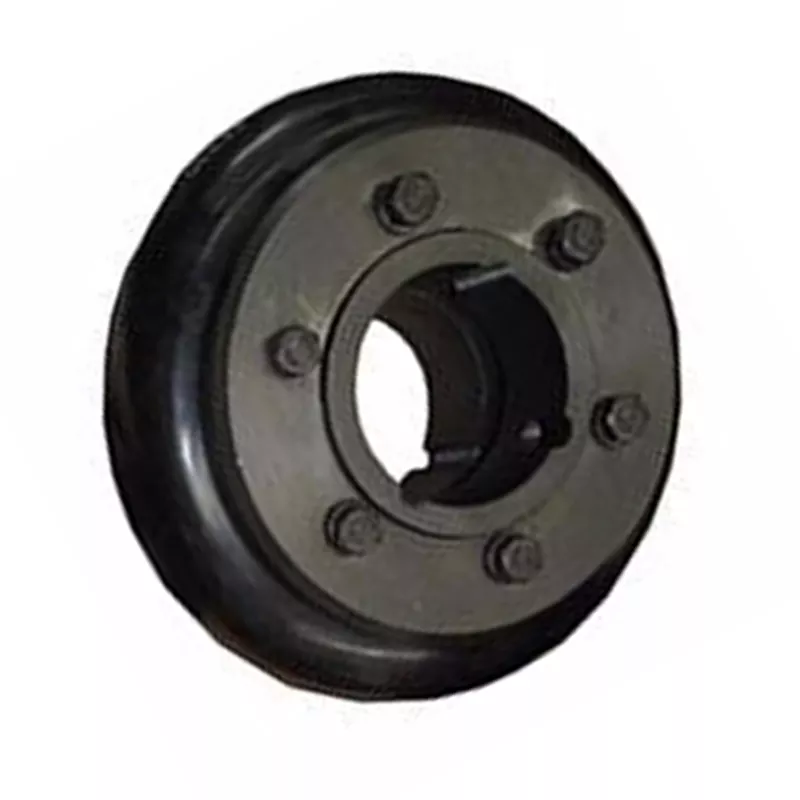
What are the advantages of using flexible couplings in mechanical systems?
Flexible couplings offer several advantages in mechanical systems, making them essential components in various applications. Here are the key advantages of using flexible couplings:
- Misalignment Compensation: One of the primary advantages of flexible couplings is their ability to compensate for shaft misalignment. In mechanical systems, misalignment can occur due to various factors such as installation errors, thermal expansion, or shaft deflection. Flexible couplings can accommodate angular, parallel, and axial misalignment, ensuring smooth power transmission and reducing stress on the connected equipment and shafts.
- Vibration Damping: Flexible couplings act as damping elements, absorbing and dissipating vibrations and shocks generated during operation. This feature helps to reduce noise, protect the equipment from excessive wear, and enhance overall system reliability and performance.
- Torsional Flexibility: Flexible couplings provide torsional flexibility, allowing them to handle slight angular and axial deflections. This capability protects the equipment from sudden torque fluctuations, shock loads, and torque spikes, ensuring smoother operation and preventing damage to the machinery.
- Overload Protection: In case of sudden overloads or torque spikes, flexible couplings can absorb and distribute the excess torque, protecting the connected equipment and drivetrain from damage. This overload protection feature prevents unexpected failures and reduces downtime in critical applications.
- Reduce Wear and Maintenance: By compensating for misalignment and damping vibrations, flexible couplings help reduce wear on the connected equipment, bearings, and seals. This results in extended component life and reduced maintenance requirements, leading to cost savings and improved system reliability.
- Compensation for Thermal Expansion: In systems exposed to temperature variations, flexible couplings can compensate for thermal expansion and contraction, maintaining proper alignment and preventing binding or excessive stress on the equipment during temperature changes.
- Electric Isolation: Some types of flexible couplings, such as disc couplings, offer electrical isolation between shafts. This feature is beneficial in applications where galvanic corrosion or electrical interference between connected components needs to be minimized.
- Space and Weight Savings: Flexible couplings often have compact designs and low inertia, which is advantageous in applications with space constraints and where minimizing weight is crucial for performance and efficiency.
- Cost-Effectiveness: Flexible couplings are generally cost-effective solutions for power transmission and motion control, especially when compared to more complex and expensive coupling types. Their relatively simple design and ease of installation contribute to cost savings.
In summary, flexible couplings play a vital role in mechanical systems by providing misalignment compensation, vibration damping, overload protection, and torsional flexibility. These advantages lead to improved system performance, reduced wear and maintenance, and enhanced equipment reliability, making flexible couplings a preferred choice in various industrial, automotive, marine, and aerospace applications.


editor by CX 2023-09-05